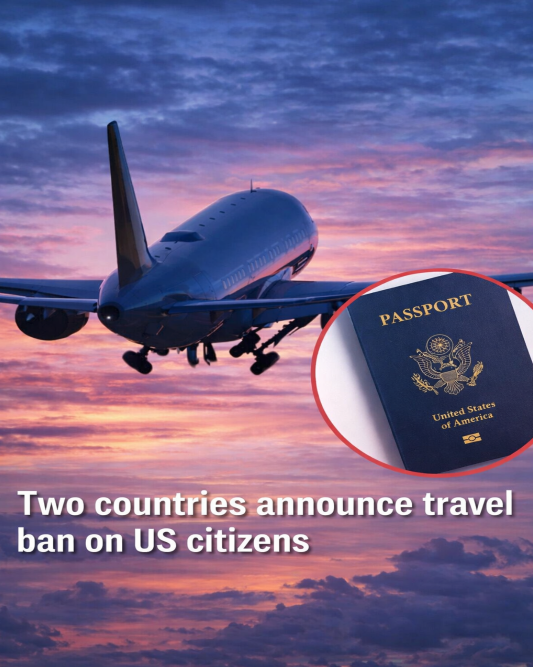
Recent decisions by governments in West Africa to restrict entry for American citizens reflect broader tensions in international relations. Officials in the region have described their actions as responses to travel policies introduced by other nations, emphasizing the principle of reciprocity in diplomatic relations. According to their statements, the goal is to encourage balanced treatment in travel and visa policies rather than escalate disagreements.
Although official discussions often focus on visas, border rules, and policy alignment, the effects can extend beyond government procedures. Travel limitations can influence academic exchanges, humanitarian work, and family visits that depend on international mobility. In many cases, these changes affect individuals and organizations that rely on cross-border cooperation for education, development projects, and community support.
From the perspective of U.S. officials, stricter travel procedures are generally presented as administrative measures intended to address security, documentation, and compliance requirements. Leaders in several West African countries, however, have expressed concerns that such policies can create barriers for their citizens and contribute to perceptions of unequal treatment in global travel systems.
The current developments involve Mali and Burkina Faso, which recently announced entry restrictions for U.S. citizens. These actions follow earlier steps by Niger, which halted visa issuance, and Chad, which previously suspended similar access. Together, these measures suggest a shift in how several countries in the Sahel region are approaching travel policy and diplomatic relations, highlighting the importance of ongoing dialogue to address concerns and maintain international cooperation.