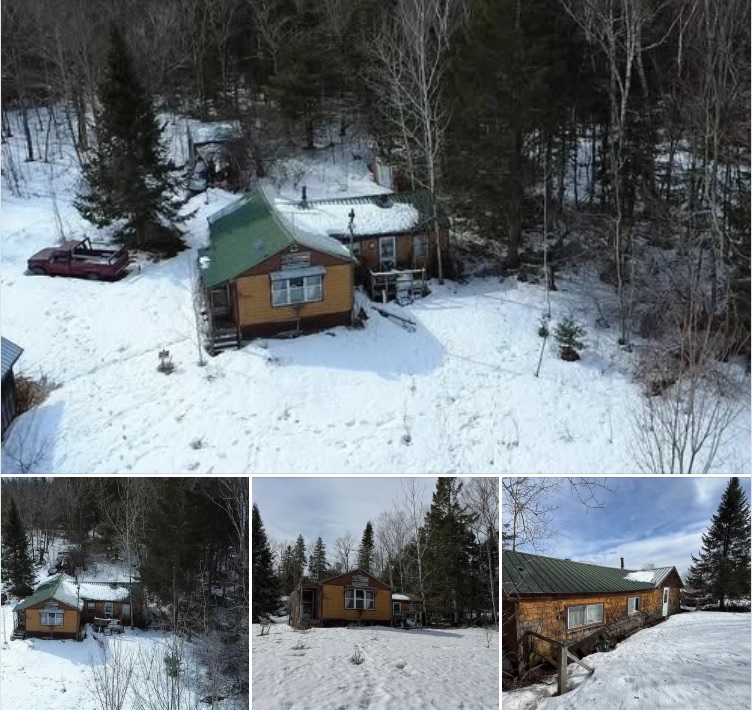
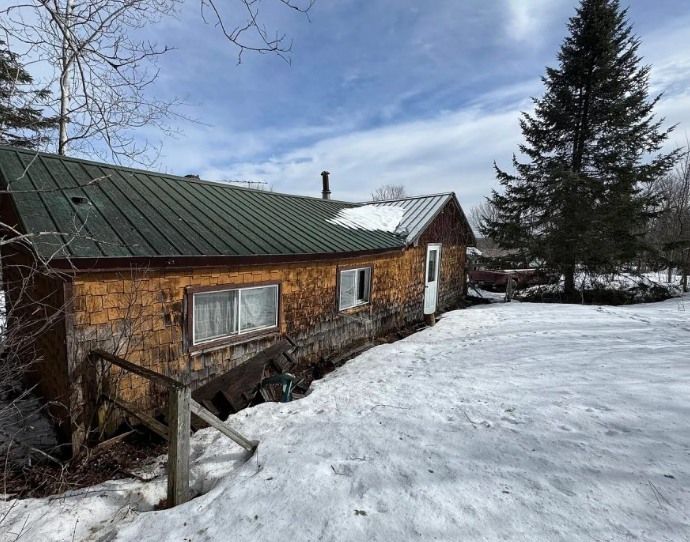
This 0.6-acre property located in Oxbow, Maine offers a quiet rural setting with strong potential for redevelopment, recreation, or the creation of a private retreat. The land previously included a home built in 1986, approximately 864 square feet in size with two bedrooms and one bathroom. However, the existing structures are currently in poor condition and are expected to require removal, providing a clear opportunity for new construction.
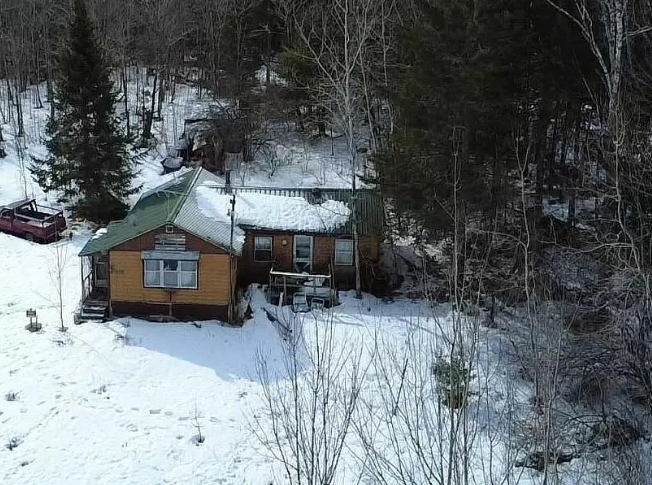
For buyers interested in building a custom cabin, hunting camp, or simple getaway, the property provides a flexible and open starting point. Once the old structures are cleared, the land can be redesigned to suit a variety of needs. Its compact size makes it relatively easy to maintain while still offering enough space for outdoor use, making it suitable for seasonal or recreational living.
The location in Oxbow adds to the property’s appeal, as the area is known for its peaceful rural atmosphere, surrounding forests, and natural landscapes. The quiet environment offers a retreat from busy urban life, allowing residents or visitors to enjoy privacy and a closer connection to nature. It is well-suited for those who value outdoor living and a slower pace of life.
The region also supports a variety of wildlife, including deer, wild turkeys, and other native species commonly seen in the area. This makes the property attractive for outdoor enthusiasts, nature observers, and recreational users. It can also serve as a convenient base for exploring nearby trails, enjoying scenic surroundings, or simply spending time in a calm and natural environment.