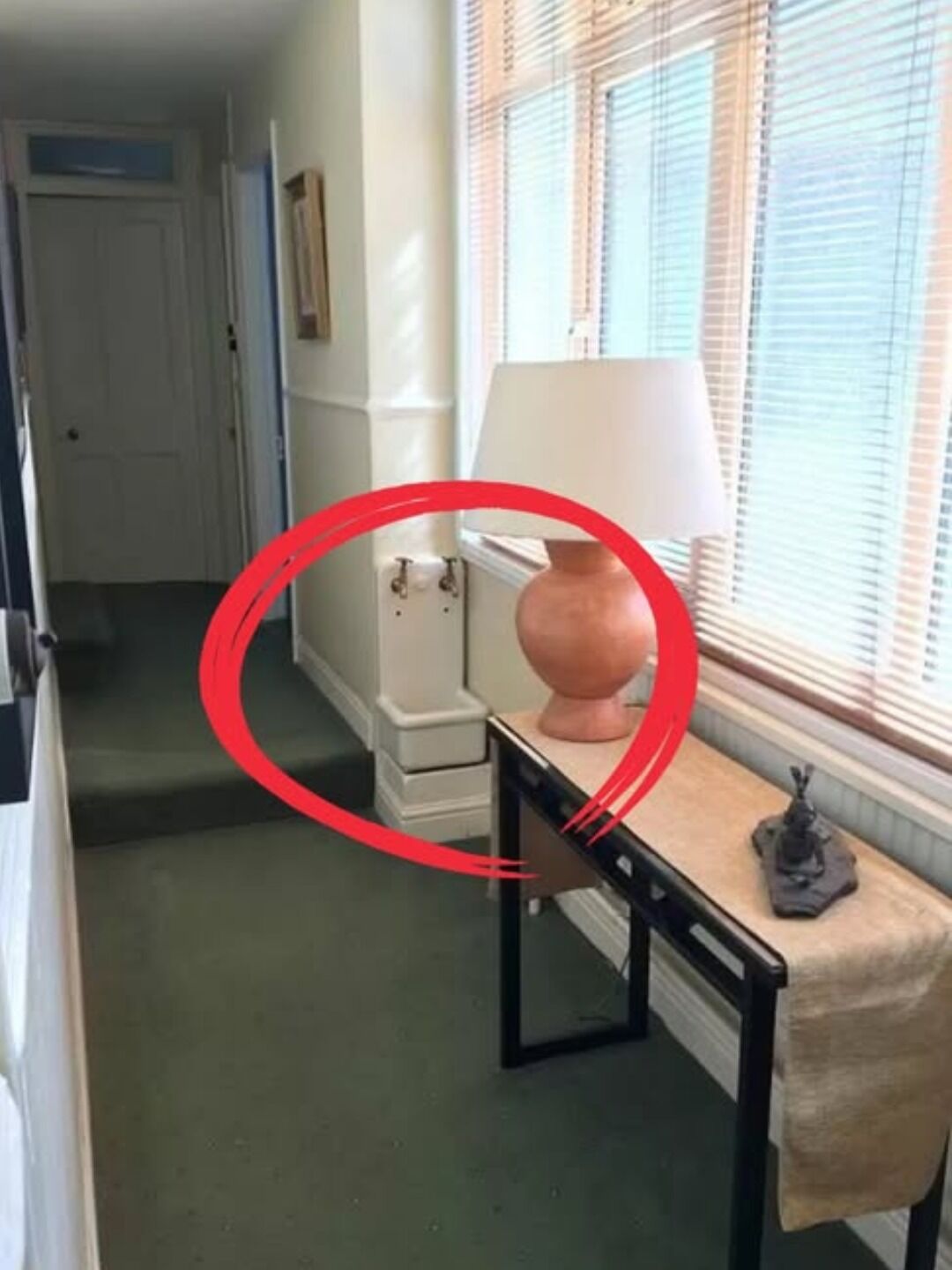
Step inside an older home and it doesn’t take long to notice its unique character. The creak of worn floorboards, the cool air moving through narrow hallways, and the unexpected architectural details all reflect a different era of living. Among these details, some historic homes feature a small sink mounted in the hallway. While it may seem unusual today, it once served a very practical everyday function.
During the early 20th century, indoor plumbing was not yet as widespread or convenient as it is now. Many homes had only one main bathroom, often placed in a separate or less central part of the house. A hallway sink provided a simple and accessible option for washing hands or cleaning up quickly after coming indoors, completing chores, or moving between rooms.
This feature was especially useful in households where daily activity brought in dirt or dust from outside work or outdoor spaces. It helped keep the rest of the home cleaner by offering a convenient place to wash up before entering living areas. In homes where gardening, farming, or manual labor was common, the hallway sink acted as a practical transition point between outdoor tasks and indoor comfort.
Although hallway sinks may seem outdated today, they reflect a thoughtful and functional approach to home design. Common in older farmhouses and early urban homes, they highlight how architecture was shaped by everyday needs. Rather than being decorative, these fixtures were designed with purpose, showing how practical solutions influenced the way homes were built and used.