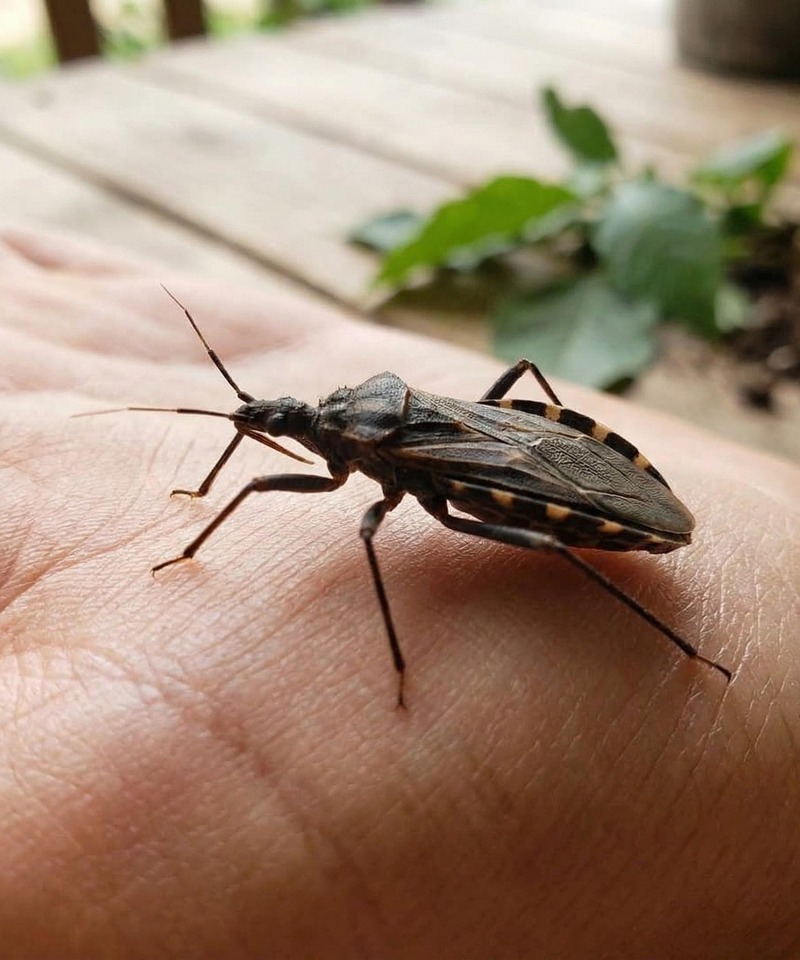
Most insect bites are generally harmless and tend to improve on their own within a short period. However, some bites may be worth observing more carefully, especially when they occur in areas where certain insects are more commonly found. One example is the kissing bug, also known as the triatomine bug, which is primarily active at night and may bite while a person is sleeping, often without being noticed.
Bites from kissing bugs are typically painless because the insect can release a mild numbing substance while feeding. When a reaction does occur, it may appear similar to a common insect bite, such as mild redness, itching, or slight swelling. These skin changes usually resolve without treatment, although in some cases there may be more noticeable swelling around the bite area, including near the face or eyes.
Some individuals may also experience general symptoms in the days or weeks following a bite, such as fatigue, headaches, mild fever, or muscle discomfort. These symptoms are often non-specific and can be associated with many common conditions, which can make them difficult to attribute to a single cause. In some instances, there may also be mild swelling of lymph nodes or temporary digestive discomfort.
If symptoms continue, change over time, or occur after possible exposure in regions where kissing bugs are present, it is advisable to seek guidance from a healthcare professional. Medical evaluation can help determine whether any follow-up is necessary. Staying aware of changes in the body and responding appropriately when symptoms persist is a sensible approach to maintaining health and well-being.