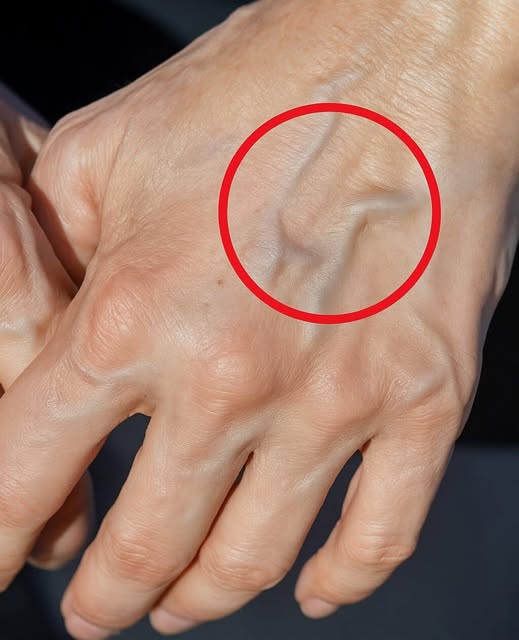
Visible or bulging veins are common and often harmless, but in some cases they may indicate an underlying health condition. Understanding the possible causes can help you decide when it may be appropriate to seek medical advice. Several factors can make veins appear more noticeable, including intense exercise, aging, warm temperatures, tight clothing, genetics, sun exposure, and body weight.
In most situations, visible veins are not dangerous. However, symptoms such as pain, swelling, or skin discoloration should be evaluated by a healthcare professional. Vein bulging occurs when blood does not flow efficiently back toward the heart, which can sometimes lead to varicose veins. These are enlarged, twisted veins that most commonly appear in the legs but can also develop in other areas of the body.
According to the Cleveland Clinic, factors such as smoking, excess weight, genetics, hormonal changes (including pregnancy), and long periods of sitting or standing may increase the likelihood of developing varicose veins. Treatment options depend on severity and may include lifestyle changes, compression stockings, medical procedures, or minimally invasive treatments recommended by a healthcare provider.
While prevention is not always possible, risk can often be reduced through regular physical activity, maintaining a healthy weight, avoiding smoking, and wearing comfortable clothing that does not restrict circulation. Supporting healthy blood flow can help reduce discomfort and lower the chance of complications over time.