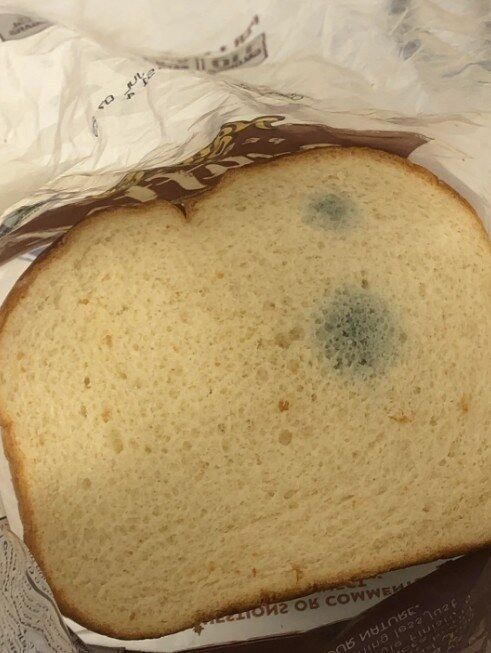
A loaf of bread left on the counter often leads to a common question: is it simply stale or has it gone bad? Bread becomes firm as it loses moisture through a natural process called retrogradation. This change in texture is normal, and stale bread is generally safe to use as long as there are no signs of mold. Dryness alone does not indicate spoilage.
Stale bread can easily be refreshed. Wrapping it in foil and warming it in the oven can help restore softness, while toasting creates a crisp texture that many people enjoy. These methods help reduce food waste and make use of bread that might otherwise be discarded. In fact, many recipes intentionally call for bread that is slightly firm.
Dishes such as French toast, stuffing, croutons, and bread pudding often work best with bread that can absorb liquid without losing structure. Harder slices can also be turned into breadcrumbs or added to salads and savory dishes like panzanella. Their sturdiness allows them to blend well with sauces and dressings, giving them a useful role in the kitchen.
Mold, however, is a sign that bread should not be eaten. Green, black, or fuzzy spots indicate spoilage, and removing only the visible section does not make the loaf safe because mold can spread beyond what is seen. Understanding the difference between bread that is simply stale and bread that is no longer safe helps prevent waste while supporting smart, mindful food choices.