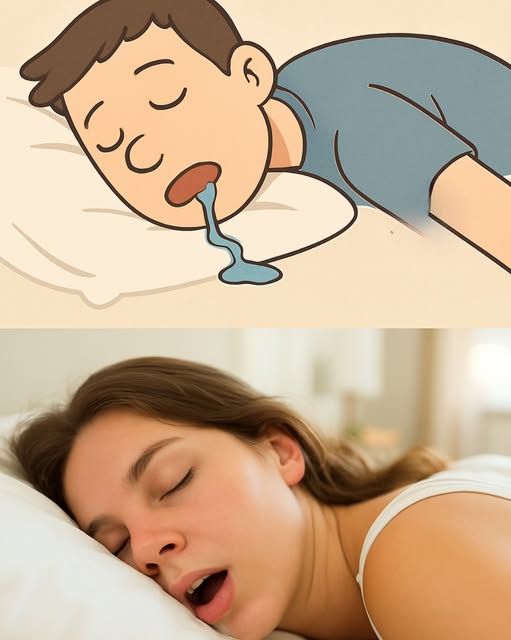
Drooling during sleep is a common occurrence and is usually harmless. It happens when saliva builds up in the mouth and is not swallowed, often due to sleep position, relaxed muscles, or breathing through the mouth. Sleeping on the side or stomach can allow saliva to move outward more easily, while deeper stages of sleep may further relax the muscles involved in swallowing. In some cases, factors such as allergies, nasal congestion, or certain medications may also influence saliva production and control.
Occasional drooling is generally considered normal, but frequent or excessive drooling—especially when combined with symptoms like disrupted sleep or persistent discomfort—may suggest an underlying issue that could benefit from professional evaluation. In some situations, it may be associated with conditions such as Sleep Apnea. Cultural perceptions of drooling vary, with some viewing it as a minor inconvenience and others associating it with deep and restful sleep.
These differing perspectives can influence everyday habits, such as sleep arrangements or the use of supportive pillows and bedding designed for comfort. From a biological standpoint, drooling during sleep may be linked to relaxation, as the body reduces certain reflexes while resting. Saliva itself plays an important role in digestion and oral health, and its presence during sleep reflects normal physiological processes.
From a psychological and social perspective, drooling can also be interpreted in different ways depending on context. While it is sometimes used humorously in media or everyday conversation, it can also be seen as a natural sign of rest and comfort. Overall, drooling during sleep is a routine part of human biology, and understanding its causes can help place it in a practical and balanced context.