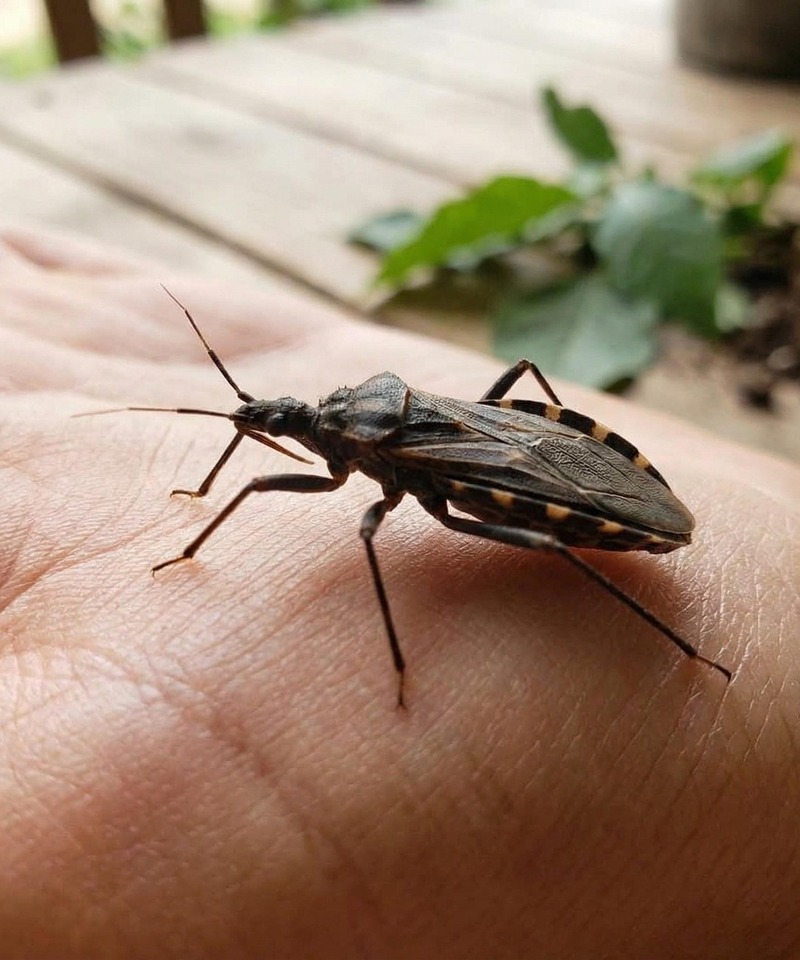
Most insect bites seem minor and are easy to ignore, often causing nothing more than brief itching or slight redness. However, some bites are worth paying closer attention to, especially when they come from insects that are active at night and don’t cause immediate discomfort. One such insect is commonly known as the kissing bug. Its bite is often unnoticed at first, which is why understanding its behavior and recognizing subtle signs can be important for maintaining long-term health.
Kissing bug bites are usually painless because the insect releases a numbing substance while feeding. This means many people are unaware they were bitten. When a reaction does occur, it often looks similar to other insect bites, such as mild swelling, redness, or itching that goes away on its own. In some cases, swelling may appear on the face or near the eyes, which can be more noticeable. Because these reactions are generally mild, they are easy to dismiss without a second thought.
In the days or weeks following exposure, some people may notice general symptoms that resemble a common illness. These can include tiredness, headaches, mild fever, muscle discomfort, or a general feeling of being unwell. Since these symptoms are common and often temporary, they are frequently linked to everyday stress or seasonal changes. Occasional swelling of lymph nodes or mild digestive discomfort may also occur as part of the body’s response.
If symptoms persist, become more noticeable, or appear after possible exposure in regions where these insects are present, seeking medical advice is a sensible step. Early evaluation can help determine whether follow-up or monitoring is needed and may reduce the risk of future complications. Paying attention to small changes, staying informed, and consulting a healthcare professional when something feels unusual supports overall well-being. Awareness without panic is the most practical approach when it comes to managing concerns related to insect bites.