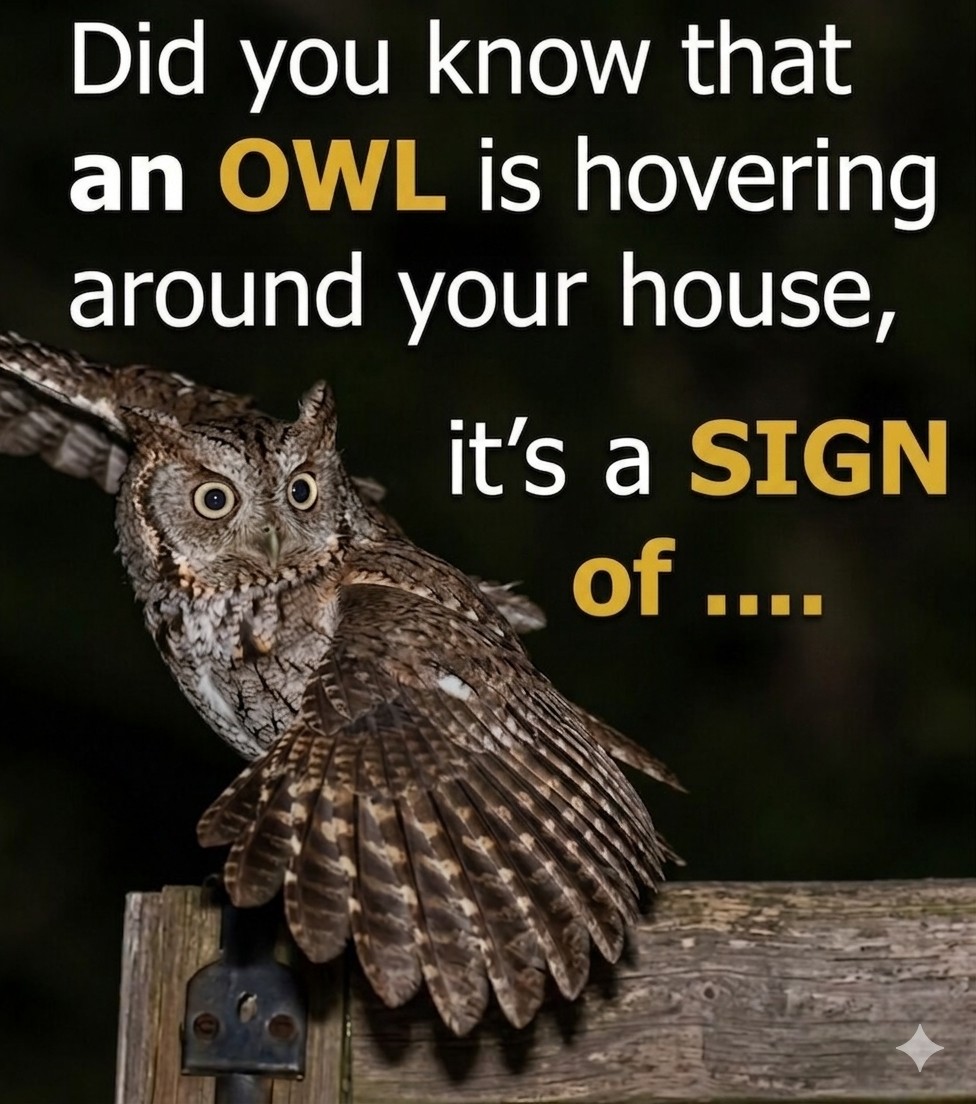
On quiet nights, when most surroundings become still, Owls are often active. These birds are well adapted to nighttime conditions, moving through the dark with ease. Rather than relying on daylight, they use specialized senses to navigate and hunt. Their calm and nearly silent movement can seem unusual, but it is simply a natural part of how they survive and function in their environment.
Owls play an important role in maintaining balance within ecosystems by helping manage populations of small animals. One of their most notable features is their ability to fly quietly. The structure of their feathers reduces noise, allowing them to move through the air with very little sound. This gives them an advantage when hunting, as other animals may not detect their approach. Their natural coloring also helps them blend into trees and shadows.
These physical traits work together with highly developed senses. Owls have large eyes that are designed to gather available light, improving visibility in low-light conditions. Their hearing is also very precise, enabling them to detect subtle movements even in darkness. By combining these abilities, they can locate food efficiently at night, when many other animals are less active or aware.
Beyond their physical characteristics, owls have been part of human culture and storytelling for many years. They are often associated with observation and awareness due to their calm behavior. While their presence at night may attract attention, it is typically a normal sign of wildlife activity in the area. Overall, owls serve as a reminder that nature continues to function quietly, even when it may seem still.