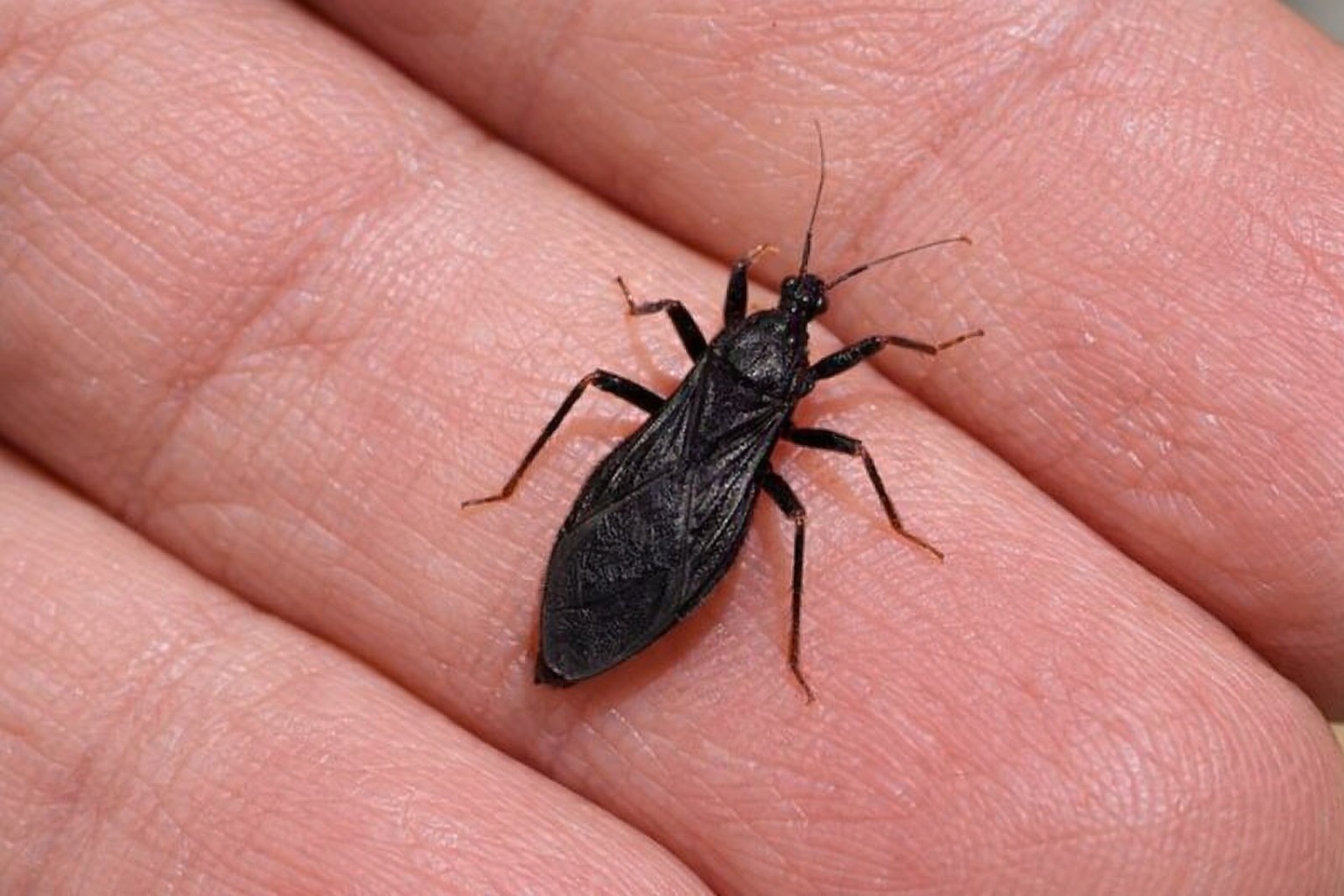
Summer can increase exposure to insects, including the assassin bug, sometimes referred to as the “kissing bug.” While not every bite leads to illness, it is important to understand potential risks and know how to respond appropriately. Staying informed can help support safer interactions with outdoor environments.
Assassin bugs are found in various regions, particularly warmer southern areas, and typically live outdoors in places such as gardens, woodpiles, under porches, or near animal resting areas. In some cases, they may enter homes through small cracks or openings, especially if preventative measures are not in place.
Health experts note that certain assassin bugs can carry a parasite associated with Chagas disease. Transmission may occur if infected insect waste comes into contact with a bite area or sensitive areas such as the eyes or mouth. Possible early symptoms can include fever, fatigue, headache, rash, or localized swelling, although some individuals may not notice symptoms immediately.
If a bite is suspected, it is recommended to wash the area gently with soap and water and avoid scratching. Seeking medical advice promptly allows a healthcare professional to assess the situation and determine whether testing or follow-up care is needed. Preventive steps such as sealing entry points, keeping outdoor areas clean, and using screens can help reduce the likelihood of contact.