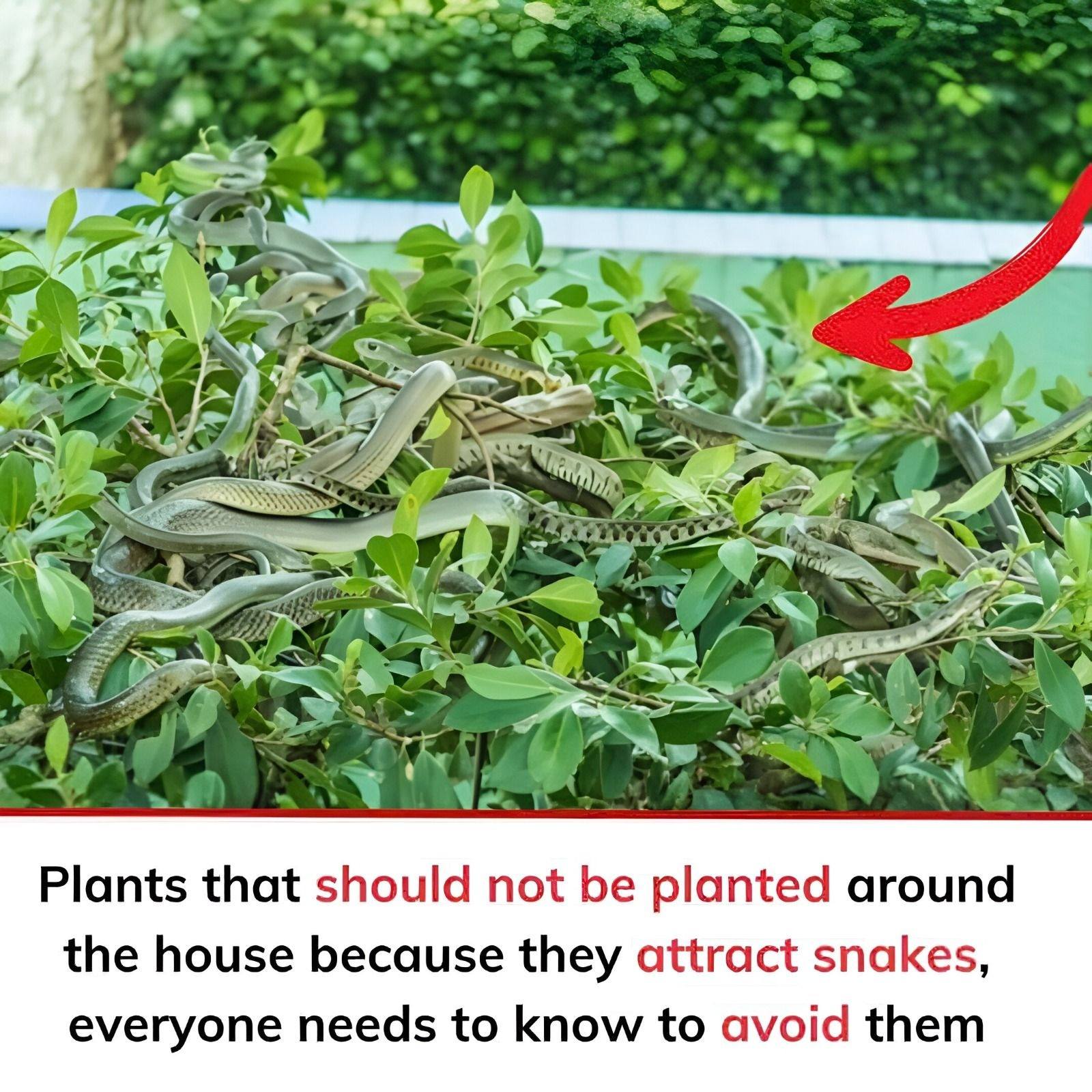
Snakes generally appear in areas that provide the basic conditions they need to survive, including shelter, moisture, and access to food sources. In warm and humid climates, outdoor spaces with dense vegetation, clutter, or minimal disturbance can create environments where snakes may take cover. They may also enter structures through small openings and occasionally rest in quiet, undisturbed indoor areas such as garages or storage spaces.
It is important to understand that plants themselves do not directly attract snakes. Instead, it is the environment created by certain landscaping choices that can make an area more suitable for them. Thick shrubs, dense ground cover, and moisture-retaining vegetation can provide shaded, cool spaces that naturally appeal to snakes. The presence of small animals in these environments may also contribute indirectly, as they can serve as a food source.
Effective prevention focuses on overall yard maintenance rather than avoiding specific plants. Keeping grass trimmed, reducing overgrown bushes, and removing piles of leaves or debris can significantly reduce potential hiding spots. Storing firewood off the ground, limiting standing water, and maintaining clean outdoor areas can also help make the environment less inviting.
In addition, securing homes by sealing gaps, repairing screens, and ensuring doors close properly can reduce the chance of snakes entering indoor spaces. Most snakes prefer to avoid human contact when possible, so creating a well-maintained and organized outdoor environment is one of the most practical ways to reduce encounters while still supporting a balanced natural ecosystem.