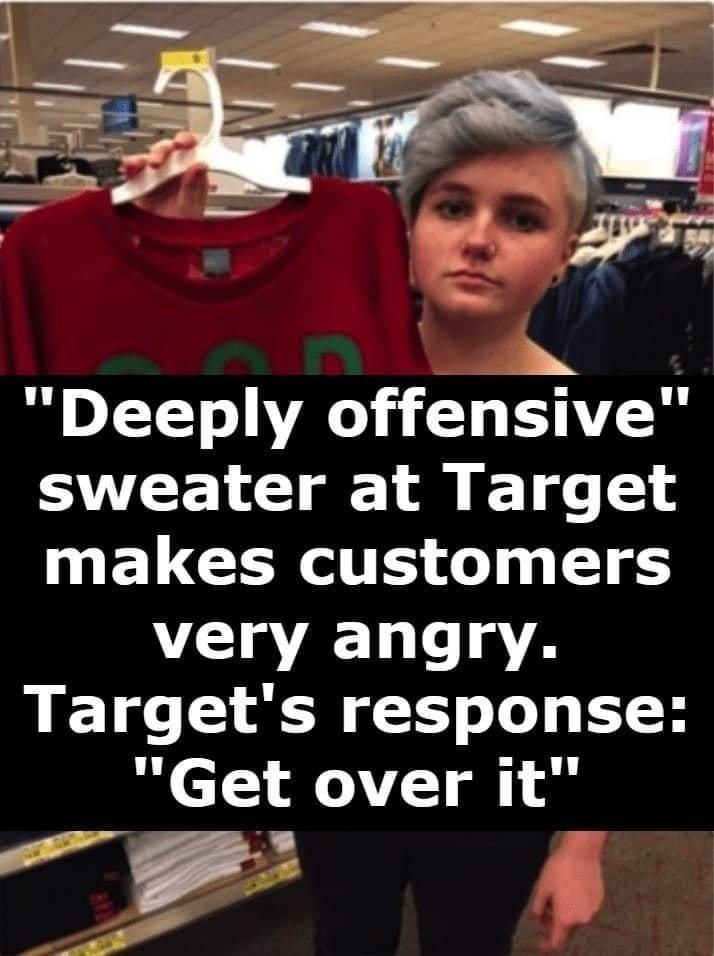
A holiday-themed sweater sold by Target recently became the center of a broader public discussion about language, branding, and mental health awareness. What began as a customer’s reaction to wording printed on seasonal clothing quickly expanded into a larger conversation online about how everyday products can influence public understanding of sensitive topics.
The discussion gained attention after shopper Reign Murphy shared concerns about a phrase referencing obsessive-compulsive disorder. Murphy explained that using a medical condition in a playful holiday context could unintentionally minimize the experiences of people who live with OCD. The concern reflected a wider debate about how mental health conditions are portrayed in advertising, entertainment, and consumer products.
At the same time, reactions from the public remained mixed. Some individuals who personally experience OCD said they did not view the sweater as offensive and considered the wording harmless or humorous. In response to the conversation, Target acknowledged that some shoppers were uncomfortable with the design, apologized to those affected, and clarified that there was no intention to cause harm while confirming the product would remain available.
The situation highlights how consumer products can spark wider conversations about language, interpretation, and social awareness. As retailers continue creating themed clothing and slogan-based merchandise, companies increasingly face questions about balancing creativity, humor, and sensitivity toward different experiences and perspectives. The debate also reflects how personal interpretation can vary widely depending on individual experiences, making discussions around language and messaging more visible in today’s marketplace.