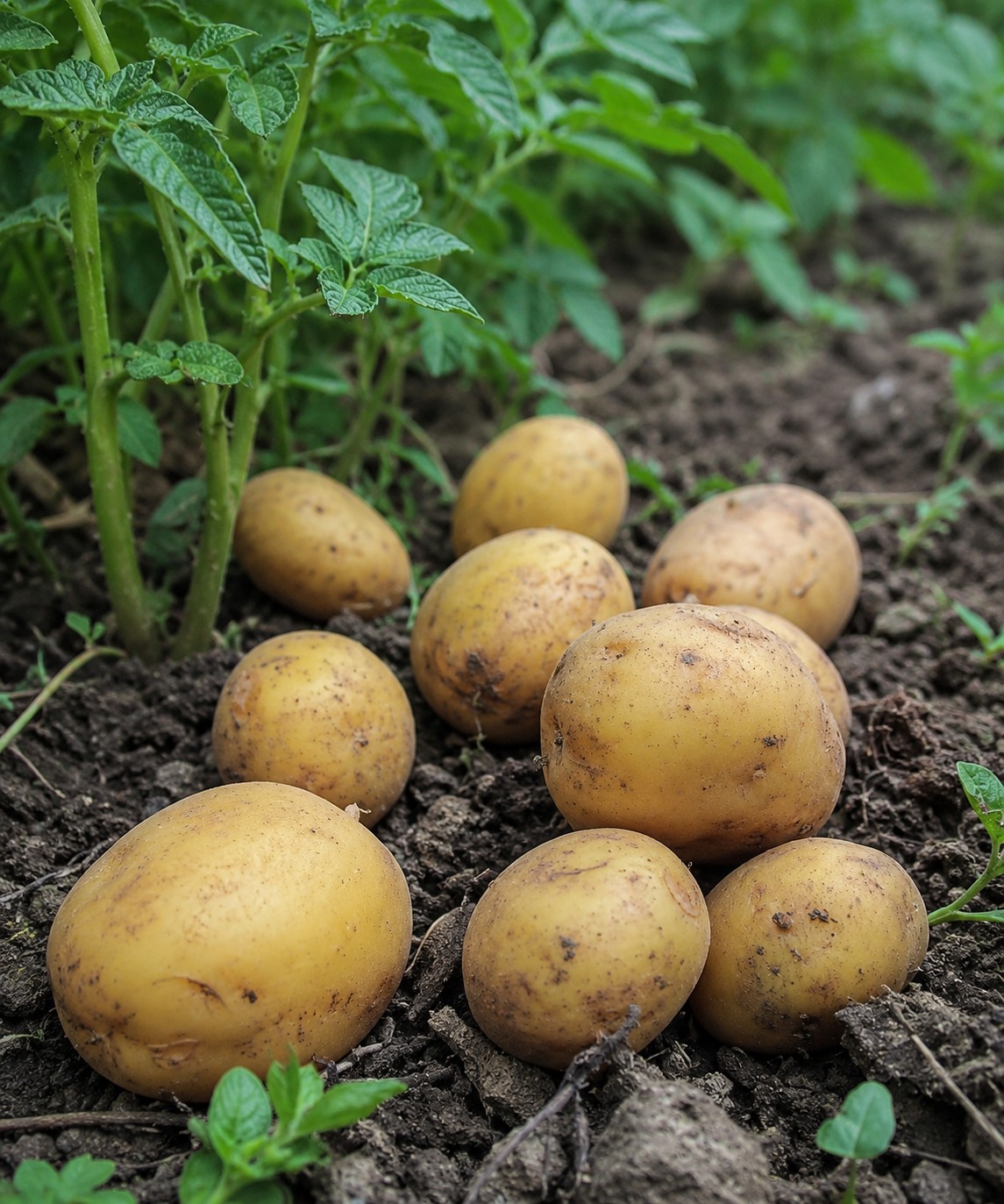
Potato is one of the most widely enjoyed foods around the world because it is affordable, versatile, and easy to prepare in many different ways. Potatoes can be baked, boiled, mashed, roasted, or added to soups and other meals. When included as part of a balanced diet and prepared using healthier cooking methods, they can provide valuable nutrients and energy.
Plain potatoes naturally contain important nutrients such as vitamin C, potassium, fiber, and complex carbohydrates that help support normal body function and daily energy needs. Nutrition experts often note that the nutritional value of potatoes depends greatly on how they are prepared and what ingredients are added during cooking.
Many health concerns linked to potatoes are more closely connected to heavily fried or processed foods such as chips and deep-fried fries. Foods prepared with excessive oils, added salt, or highly processed ingredients may contribute to higher calorie intake and may affect overall wellness when consumed frequently. Meals that combine fried foods with sugary beverages or heavily processed meats can also increase sodium, saturated fat, and added sugar intake.
Health professionals generally recommend choosing fresh potatoes and preparing them through baking, steaming, boiling, or roasting instead of deep frying. They also advise avoiding potatoes that appear green or heavily sprouted, as they may contain higher levels of naturally occurring compounds that can cause digestive discomfort. When paired with vegetables, lean proteins, and balanced portions, potatoes can remain a nutritious and enjoyable part of everyday eating habits.