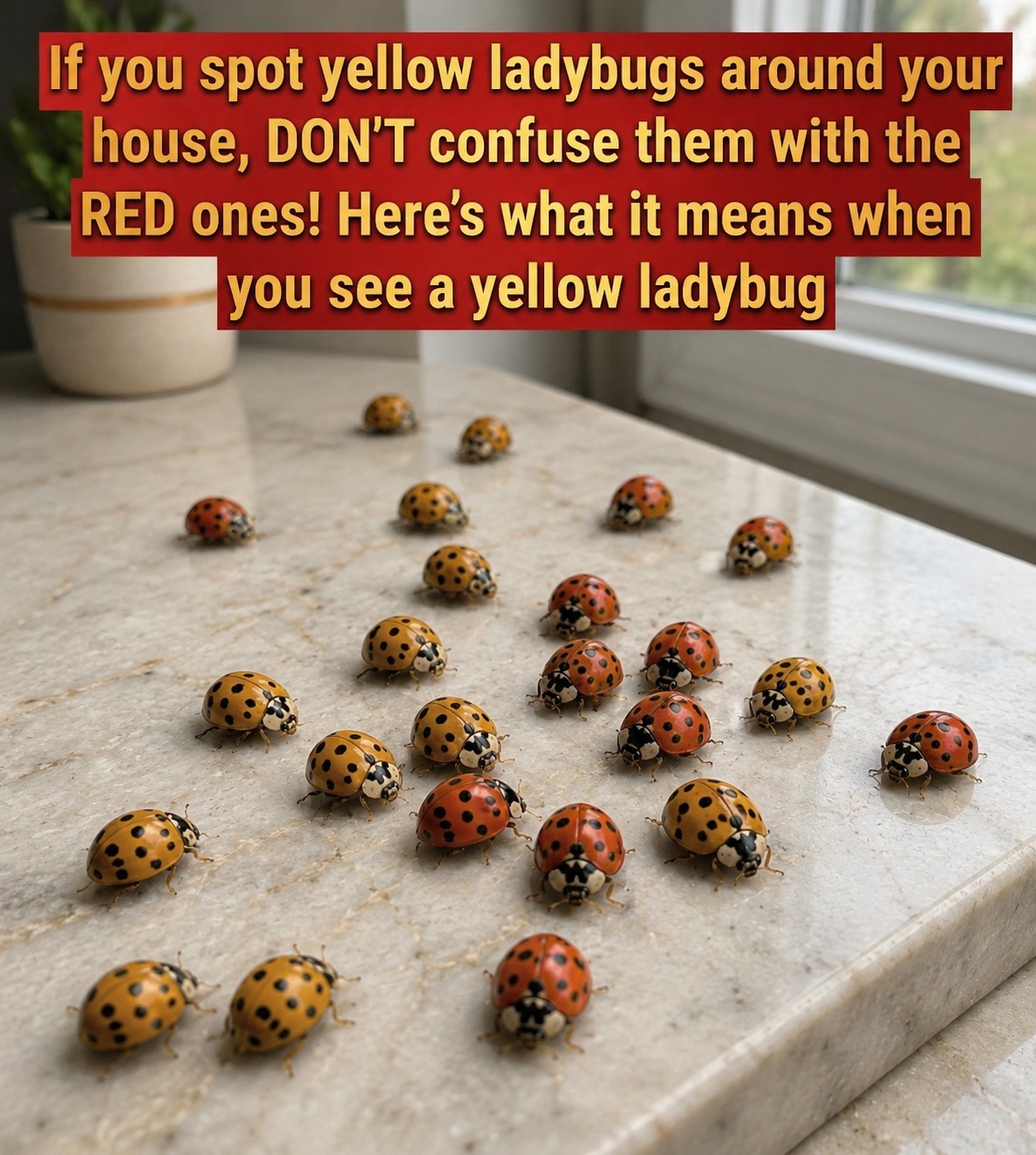
A yellow Ladybug is a small but eye-catching insect that often stands out because of its bright and uncommon coloring. While many people recognize the familiar red ladybug, yellow varieties are less frequently seen and can feel especially unique when spotted in a garden, on flowers, or resting on leaves. Their appearance often sparks curiosity and appreciation for the diversity found in nature.
From a scientific perspective, many yellow ladybugs play a beneficial role in garden ecosystems. Depending on the species, they may help support plant health by feeding on mildew, fungi, aphids, or other small pests that can affect vegetation. These insects contribute naturally to environmental balance and are often considered helpful visitors in gardens and outdoor spaces.
In addition to their ecological importance, yellow ladybugs are sometimes associated with positive symbolism in different cultures and traditions. Their bright color is commonly linked with warmth, optimism, growth, and renewal. Because of these associations, some people view seeing a yellow ladybug as a simple reminder to stay hopeful, embrace change, or appreciate positive moments in everyday life.
Whether viewed through a scientific or symbolic lens, spotting a yellow ladybug can encourage people to pause and notice the small details around them. In busy daily routines, unexpected encounters with nature often create moments of curiosity and reflection. More than just an unusual insect, the yellow ladybug serves as a reminder of the beauty, balance, and quiet complexity that exist throughout the natural world.