
It happened during an ordinary lunch break, the kind where meals are eaten quickly without much thought. She added what she believed were grains of quinoa to her salad, noticing how the small brown shapes blended easily with the greens. When she paused and looked more closely, she realized something was wrong. The shapes were uniform, closely grouped, and attached to a lettuce leaf. The realization was immediate and unsettling, and she stopped eating as soon as she understood they were not food at all.
Although the discovery can be alarming, insects laying eggs on leafy produce is more common than many people expect. Certain insects naturally place their eggs on the underside of leaves, including those used in salads. In most cases, accidental contact or ingestion is not considered harmful. However, their presence often points to inadequate washing or inspection, which raises reasonable concerns about food preparation standards rather than health risks.
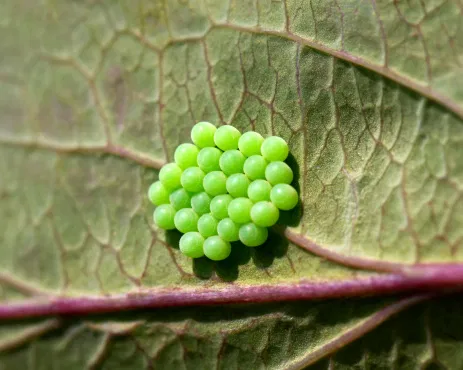
If someone encounters a situation like this while eating out, the recommended response is to stop eating and calmly inform restaurant staff. Taking a clear photo can help document the issue. Reputable establishments typically respond by offering a replacement or refund and reviewing their handling procedures. If concerns are not addressed properly, contacting local health authorities can help ensure better practices going forward.
At home, careful washing remains the best prevention. Even produce labeled as pre-washed benefits from an extra rinse under running water. Leafy greens such as spinach, romaine, and butter lettuce should be checked closely, as small clusters can hide in folds and creases. Taking a moment to inspect and rinse produce helps maintain food quality and avoids unpleasant surprises during meals.