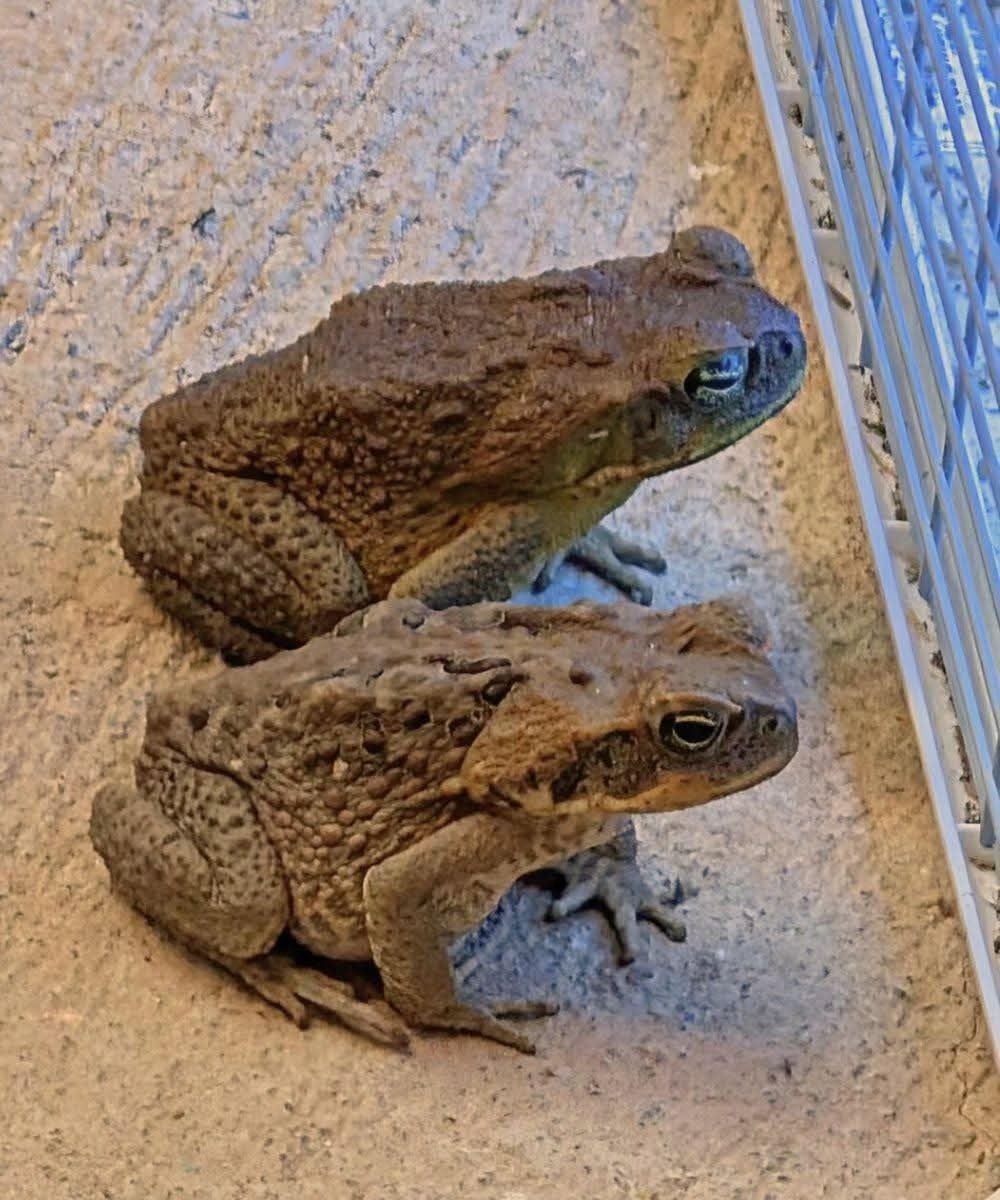
A toad appearing near your home is usually attracted by practical environmental conditions such as moisture, shelter, and access to insects. Gardens, landscaped areas, potted plants, shaded spaces, and outdoor lighting can create an ideal habitat, especially following rainfall or during humid weather. Toads are generally harmless, non-aggressive animals that play an important role in local ecosystems by helping control populations of insects and other small pests.
These amphibians prefer cool, damp environments where they can remain protected during the day before becoming more active in the evening. If toads are frequently seen around a property, it often indicates that the area provides suitable natural conditions for wildlife. Their presence can be viewed as a sign of a balanced environment where plants, insects, and other living organisms coexist in a healthy ecosystem.
For homeowners and gardeners, toads can serve as valuable natural allies. By feeding on insects, they help support garden health and contribute to natural pest management. Their role within the ecosystem may reduce reliance on chemical treatments while supporting biodiversity and environmental balance. As part of the natural landscape, they quietly contribute to the well-being of outdoor spaces.
Beyond their ecological importance, toads have also been associated with symbolism in various cultural traditions. Their life cycle is often viewed as a representation of growth, adaptation, and change. Some traditions associate them with prosperity, renewal, or positive transformation, while others simply regard them as reminders of nature’s resilience and interconnectedness. Whether appreciated for their environmental benefits or their cultural symbolism, toads can inspire greater awareness of the natural world and the many small creatures that contribute to a thriving ecosystem.