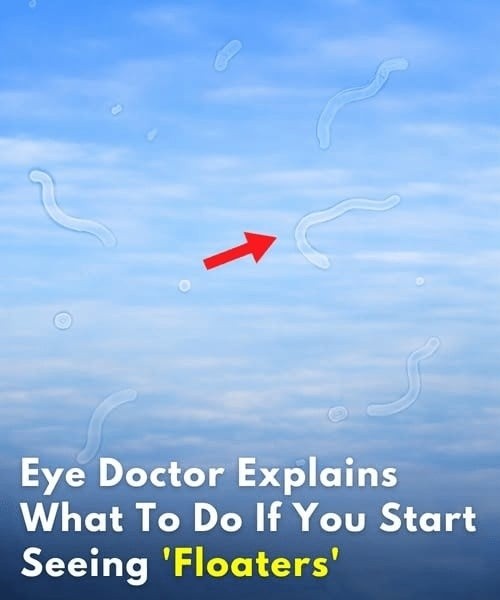
Eye floaters and flashes are common visual experiences that many people notice at some point in their lives. Floaters often appear as small spots, lines, threads, or shadow-like shapes that seem to drift across the field of vision. They are usually most noticeable when looking at bright backgrounds such as a clear sky, a computer screen, or a light-colored wall. In many cases, floaters are a natural part of the aging process and do not indicate a serious problem.
Inside the eye is a clear, gel-like substance known as the vitreous. As the eye ages, changes can occur within this gel, causing tiny fibers to become more visible. These fibers may cast shadows on the retina, which are perceived as floaters. Many people gradually become less aware of them over time as the brain adapts to their presence.
Some individuals may also experience flashes of light, which can appear as brief flickers, streaks, or sparks in their vision. These flashes may occur even when no external light source is present. In many situations, flashes are related to natural changes within the eye and may be temporary. However, monitoring any new or changing visual symptoms is important for maintaining eye health.
While floaters and occasional flashes are often harmless, sudden changes should not be ignored. A rapid increase in floaters, frequent flashes, the appearance of a shadow in peripheral vision, or any noticeable reduction in vision should be evaluated by an eye care professional as soon as possible. Regular eye examinations and prompt attention to unusual symptoms can help support long-term eye health and ensure that any concerns are addressed appropriately.