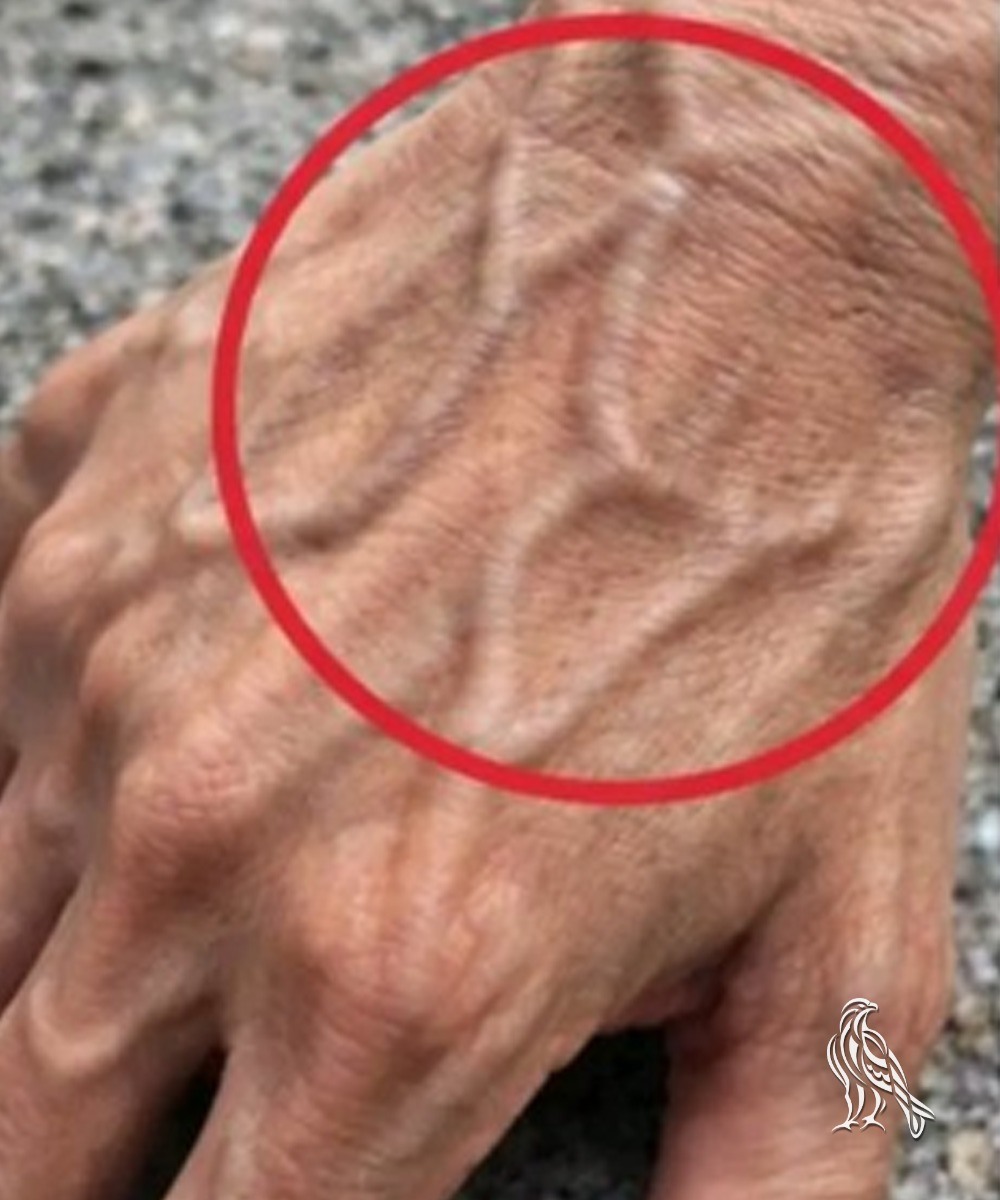
Visible veins are a common feature for many people and are often a normal part of the body’s appearance. Veins may become more noticeable due to factors such as genetics, lower body fat levels, regular physical activity, aging, or temporary changes caused by warm weather. In many cases, prominent veins simply reflect natural variations in skin thickness and circulation and are not a cause for concern.
Several everyday factors can influence how visible veins appear. Exercise can temporarily increase blood flow, making veins stand out more prominently. As people age, the skin may become thinner, allowing underlying veins to become easier to see. Individuals with lighter skin tones or lower amounts of body fat may also notice their veins more readily than others.
While visible veins are usually harmless, it is important to pay attention to any new symptoms that accompany changes in their appearance. Signs such as pain, swelling, tenderness, significant skin discoloration, or persistent discomfort may warrant evaluation by a healthcare professional. These symptoms can sometimes indicate an underlying circulatory or vascular condition that may benefit from medical assessment.
Maintaining awareness of changes in your body is an important part of overall health. If visible veins appear alongside symptoms such as cold extremities, slow-healing wounds, unusual swelling, or ongoing discomfort, seeking professional medical advice can help provide clarity and appropriate care. In most cases, however, visible veins are simply a normal variation and part of the body’s natural structure.