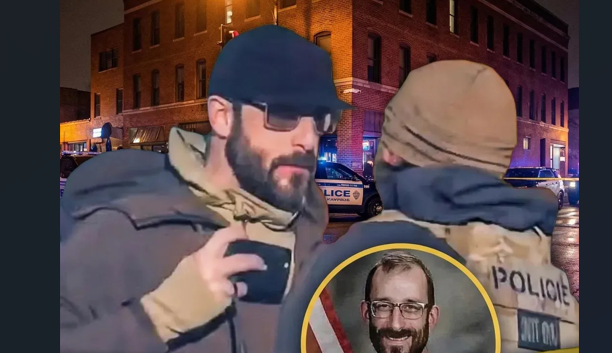
During a federal immigration enforcement operation in Minneapolis, Alex Pretti was fatally injured, and a nearby resident unexpectedly became involved after noticing signs of a serious emergency. A 29-year-old pediatrician living close to the scene was awakened by loud disturbances and went outside after realizing someone needed urgent help. The physician’s account, later included in court records, offers a detailed civilian perspective of the moments following the incident and has contributed to public discussion about how the situation was initially managed.
In a sworn statement, the doctor described seeing Pretti on the ground with several agents nearby. Based on medical training, the physician noted that Pretti’s position appeared unusual for someone with severe injuries and observed that no immediate medical assistance seemed to be underway. When the doctor asked about Pretti’s condition, agents were unsure whether he had a pulse. After identifying themselves as a physician and requesting to help, the doctor was asked to verify credentials before being allowed to assist.
Once access was granted, the doctor requested that Pretti be repositioned to properly evaluate him. Additional injuries then became visible, and the physician determined that there was no detectable pulse. The doctor began performing CPR until emergency medical personnel arrived and assumed care. Shortly afterward, the physician left the area as crowd control measures expanded, later describing the experience as deeply distressing and emotionally difficult.
The incident quickly gained national attention after Pretti was identified as a U.S. citizen and an intensive care nurse at the Minneapolis Veterans Affairs hospital. Friends and colleagues remembered him as compassionate, dedicated, and committed to helping others. Officials have stated that the matter remains under review, and differing accounts continue to be examined. As investigations proceed, the case has contributed to broader conversations about public safety, civic activity, and the conduct of enforcement operations.