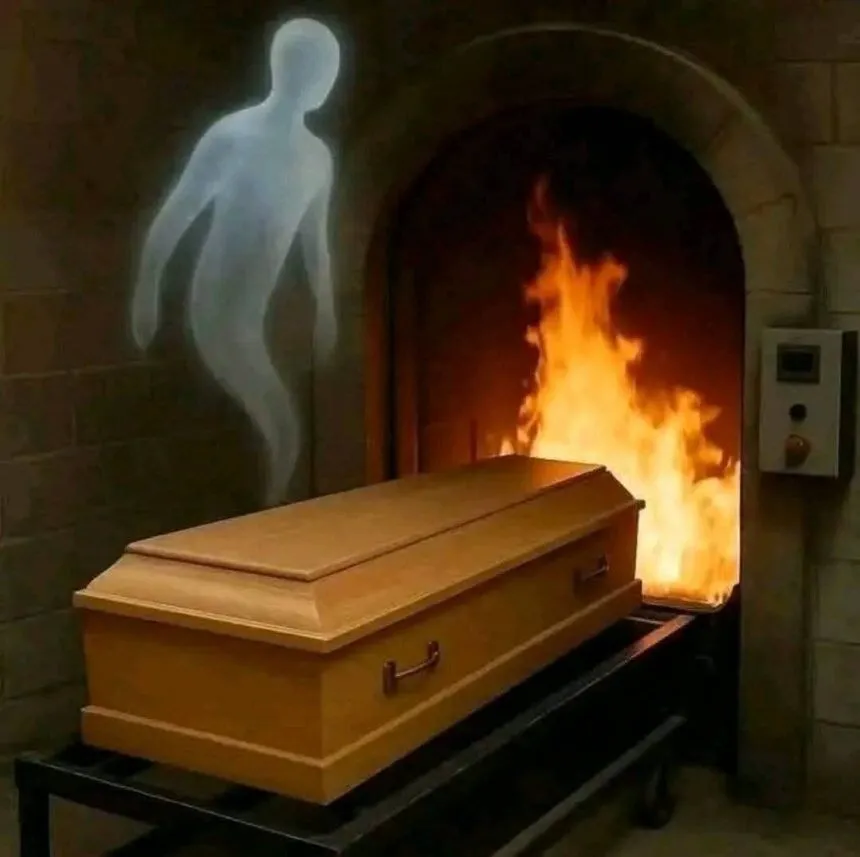
For generations, many faith communities have discussed how cremation fits within biblical belief. As cremation becomes more common for practical and personal reasons, some Christians continue to ask whether it aligns with Scripture’s teachings about life, death, and respect for the human body. Exploring this question requires looking carefully at biblical themes rather than relying solely on tradition or emotion.
Throughout the Bible, the human body is described as intentionally created and valued. Passages such as “for dust you are, and to dust you shall return” emphasize humanity’s origin and mortality, often understood within the context of natural return to the earth. In both the Old and New Testaments, burial is the most frequently recorded practice. Figures such as Abraham, Joseph, and Jesus were laid to rest in tombs, reflecting customs that symbolized rest, dignity, and expectation beyond death.
Biblical imagery often connects burial with hope and renewal. The body is compared to a seed placed in the ground, awaiting transformation. Fire, by contrast, is commonly used in Scripture to represent judgment, purification, or destruction rather than care for the deceased. Because of this symbolism, many believers historically viewed burial as the more appropriate expression of reverence and trust in future resurrection.
At the same time, the Bible does not state that cremation prevents resurrection or separates a person from God’s promises. Scripture affirms that divine power is not limited by physical form. For many Christians, burial remains a meaningful expression of faith, while others view cremation as a personal or practical decision. Ultimately, the discussion centers on belief, intention, and trust in God’s sovereignty rather than a single prescribed method.