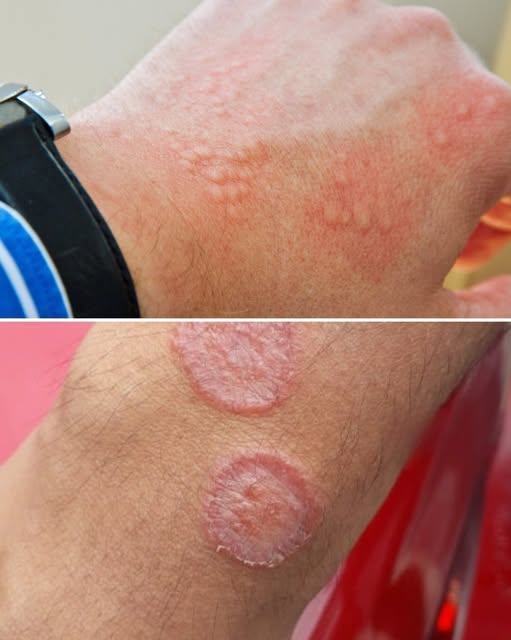
Groin skin irritation is a common concern that can affect individuals of all ages. While it may cause discomfort, it is often manageable once the underlying cause is identified and addressed appropriately. The groin area is naturally warm and may be exposed to moisture, friction, and limited airflow, which can contribute to various skin-related concerns. Understanding potential causes, recognizing symptoms, and following preventive measures can help support healthy skin and improve daily comfort.
Many people occasionally experience itching, redness, or mild discomfort in the groin area. These symptoms may sometimes be linked to activities such as exercise, sweating, or grooming practices. However, ongoing irritation can indicate an underlying skin condition that may benefit from additional attention. Common causes include ingrown hairs, folliculitis, fungal infections such as jock itch, contact dermatitis, and irritation related to moisture and friction. Each condition may present with similar symptoms, making proper identification important for effective management.
Maintaining good skin care habits can help reduce the likelihood of irritation. Keeping the area clean and dry, wearing breathable clothing, practicing gentle grooming techniques, and avoiding products that may trigger skin sensitivity are often helpful preventive measures. Individuals who exercise frequently or experience excessive sweating may benefit from changing into dry clothing promptly and choosing fabrics designed to improve airflow. Personal hygiene practices, along with attention to skin health, can play an important role in reducing discomfort and supporting recovery.
While many cases of groin irritation improve with simple self-care measures, persistent or worsening symptoms should be evaluated by a healthcare professional. Signs such as severe discomfort, significant swelling, spreading redness, drainage, fever, or symptoms that do not improve over time may require medical assessment. By understanding common causes, following preventive strategies, and seeking professional advice when appropriate, individuals can take practical steps toward maintaining healthy skin and improving overall well-being.