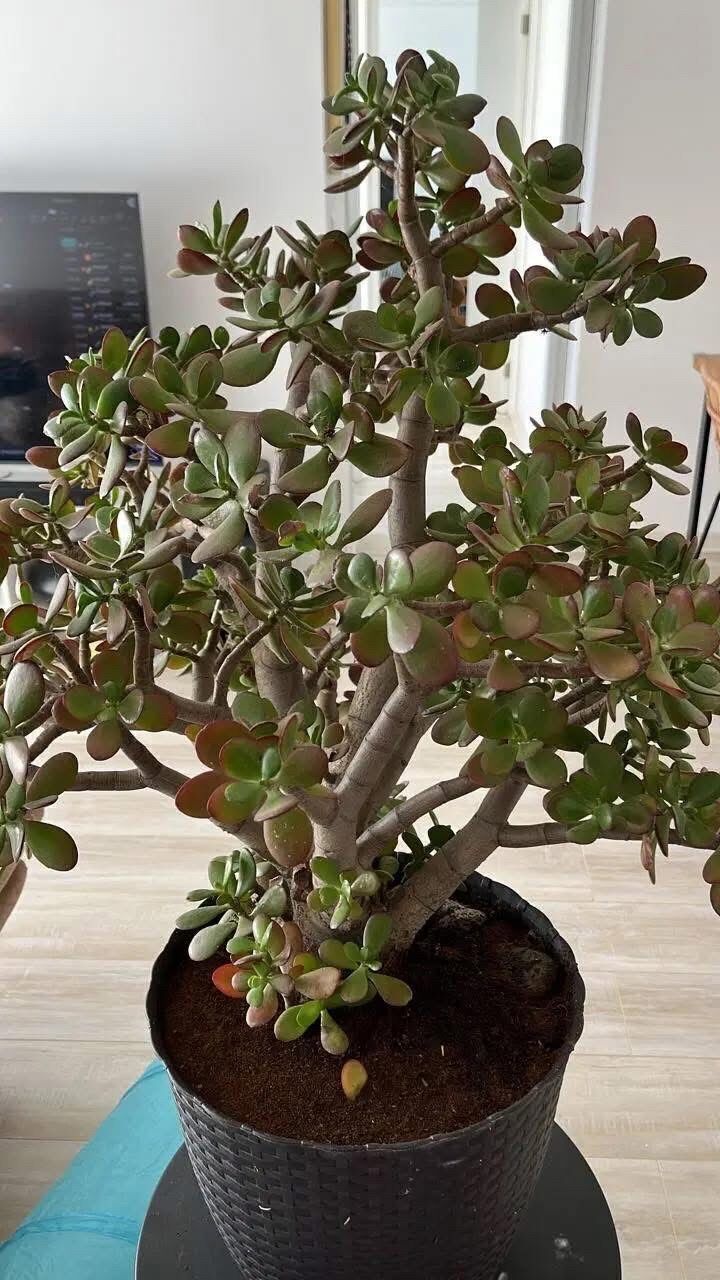
The money tree is a popular houseplant found in many homes and workplaces, appreciated for its braided trunk, shiny green leaves, and association with positive symbolism. It is often given as a gift to mark new beginnings and is commonly linked with ideas of prosperity, balance, and good fortune. Beyond its appearance, the plant carries cultural and historical meaning that has contributed to its lasting appeal across different traditions.
In Feng Shui practices, the money tree is associated with growth and steady progress. Its leaf structure, often forming groups of five on mature plants, is commonly connected to balance and harmony. Placement is considered important by some, with certain areas of a room believed to support calm energy and focus. Rather than guaranteeing outcomes, these traditions emphasize intention, care, and awareness in one’s environment.
The symbolism of the money tree extends beyond financial themes. It is often seen as a reminder that well-being includes stability, patience, and meaningful relationships. Caring for the plant reflects these ideas, as consistent attention and balance are needed for healthy growth. Historically, the plant has also been noted in some cultures for minor traditional uses, though today it is valued primarily for its aesthetic and symbolic qualities rather than practical applications.
As an indoor plant, the money tree can contribute to a pleasant living or working space. Many people find that tending to plants encourages mindfulness and reduces everyday stress. Its straightforward care routine reinforces the idea that positive results often come from steady effort and attention over time. More than a decorative item, the money tree serves as a quiet reminder that growth—whether personal or environmental—develops through balance, patience, and thoughtful care.