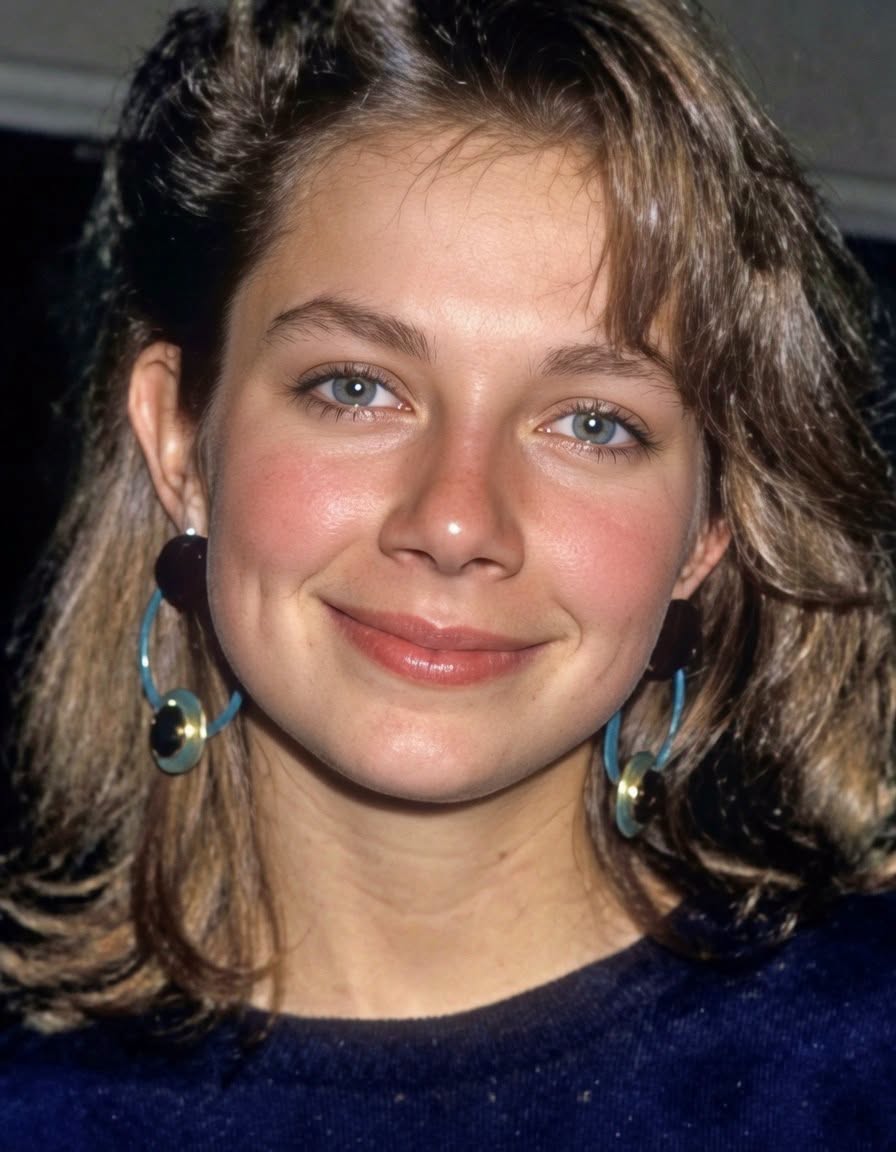
For many years, conversations about aging in the entertainment industry have often focused more heavily on women than men. Visible signs of getting older, such as wrinkles or gray hair, frequently
become topics of public discussion, creating unrealistic expectations about appearance. In recent years, however, more public figures have encouraged a healthier conversation about aging with confidence and self-acceptance.
Among those voices is actress and filmmaker Justine Bateman, who first gained widespread recognition for her role as Mallory Keaton on the television series *Family Ties*.
After becoming well known at a young age, she spent decades in the public eye, where both her career and her appearance were regularly discussed.
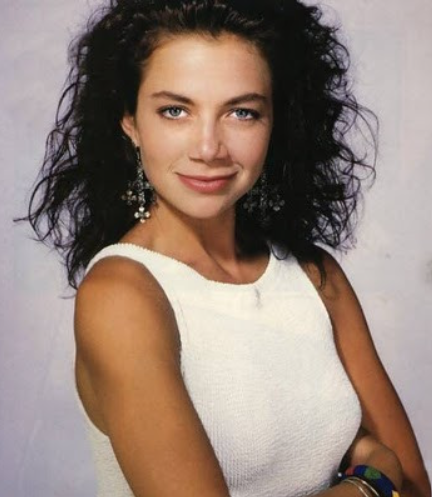
As the years passed, Bateman became the subject of online comments criticizing her decision to age naturally rather than pursue cosmetic procedures. While such remarks were often unkind, they
also highlighted the growing pressure many people feel to maintain a youthful appearance. Like many individuals facing public scrutiny, she acknowledged that those opinions were not always easy to ignore.
Instead of allowing outside expectations to define her choices, Bateman gradually developed a different perspective. She began to view aging as a natural part of life rather than something to fear or hide.
This shift encouraged her to focus less on meeting unrealistic beauty standards and more on appreciating personal growth and life experience.
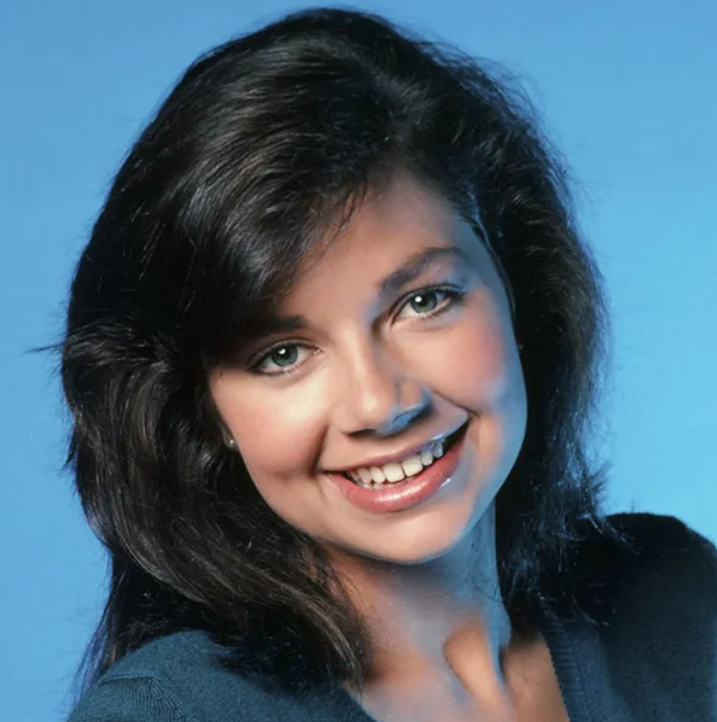
She has spoken about how every stage of life brings valuable lessons, resilience, and a deeper understanding of oneself. Rather than seeing facial lines or other signs of aging as imperfections,
she considers them reminders of meaningful experiences, challenges overcome, and the passage of a life fully lived.
Her message has resonated with many people who feel overwhelmed by constant pressure from advertising, social media, and popular culture to appear younger. Bateman encourages individuals
to think carefully about their choices and to make decisions based on their own values instead of feeling obligated to meet someone else’s expectations.
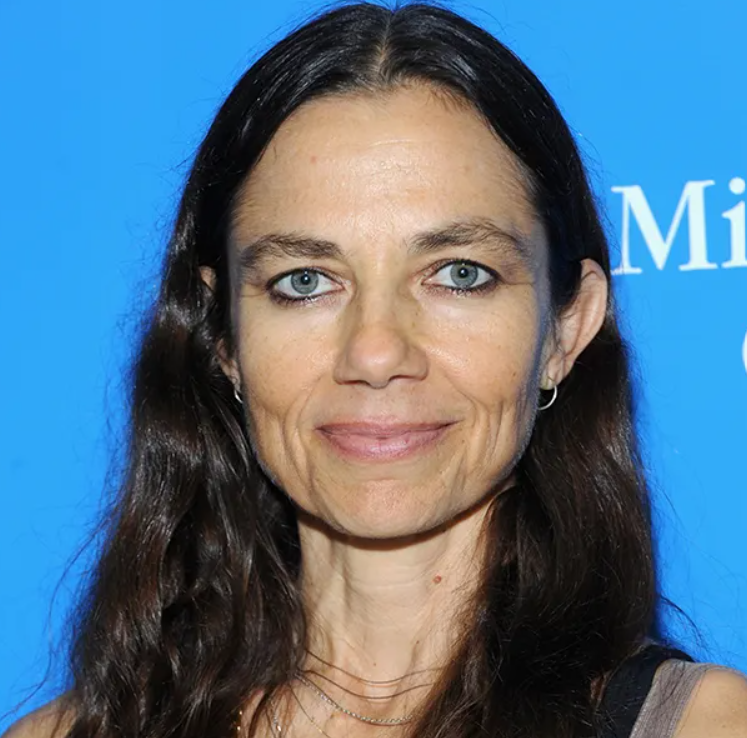
She has also emphasized that everyone should have the freedom to decide what is right for them. Her viewpoint is not about criticizing cosmetic treatments or personal preferences, but about supporting the idea that people should feel respected whether they choose such procedures or decide to embrace natural aging.
Today, Justine Bateman continues to inspire conversations about confidence, authenticity, and self-acceptance. Her perspective reminds people that growing older is a normal part of life and that personal value is not determined by appearance alone. By encouraging a more balanced view of aging, she has become an important voice in promoting acceptance, individuality, and the confidence to embrace every stage of life.