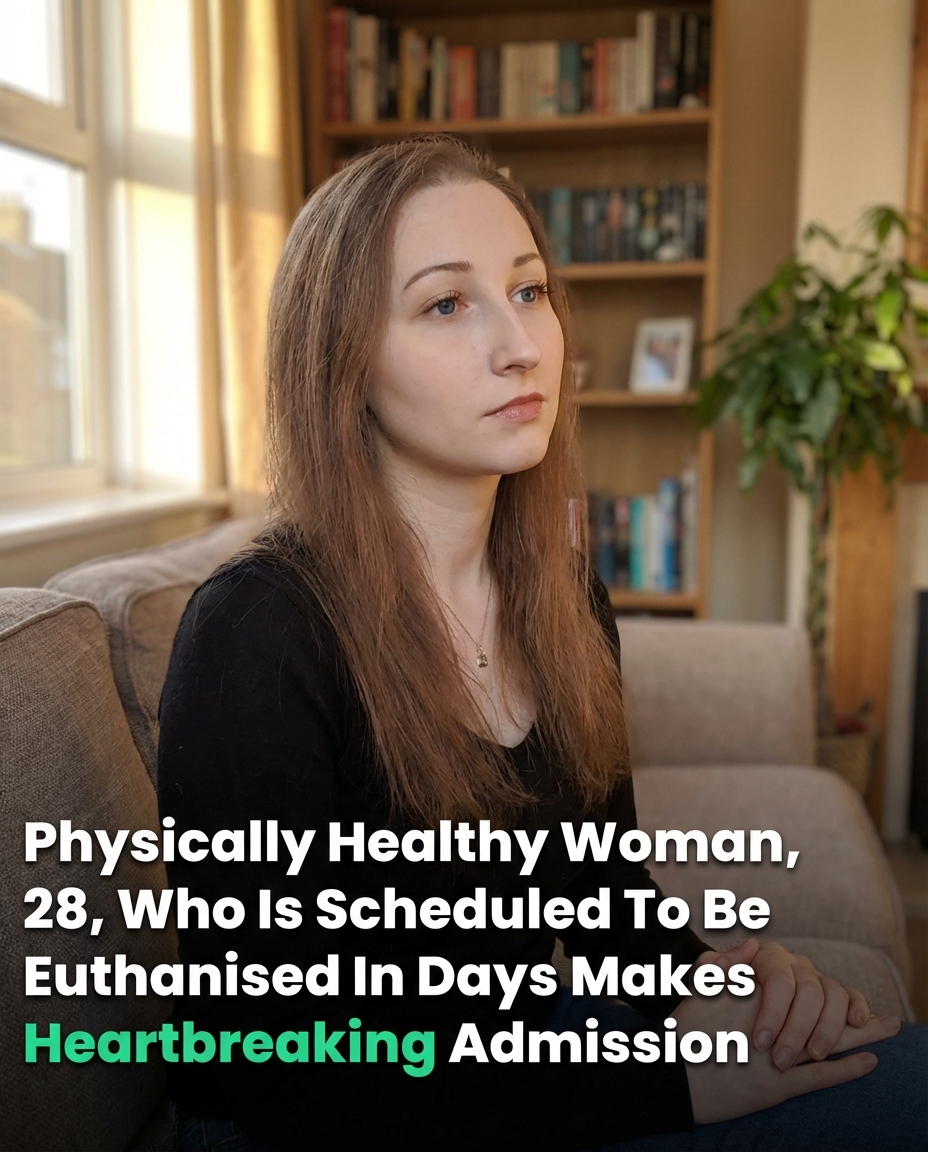
When a 28-year-old woman from the Netherlands publicly shared her decision to pursue a legal end-of-life option related to long-standing psychiatric conditions, the response quickly became international. Her story extended beyond national coverage and sparked widespread discussion about personal autonomy, medical ethics, and how societies respond to severe mental health challenges. Because her case does not involve a terminal physical illness, it has generated additional attention and raised complex questions about psychological suffering.
In the Netherlands, assisted dying has been legal since 2002 under clearly defined and strict criteria. The law permits it when an individual is determined to be experiencing unbearable suffering with no reasonable prospect of improvement, and only after multiple safeguards are satisfied. In situations involving psychiatric conditions, the process requires comprehensive evaluations by independent medical professionals and oversight committees. According to her public statements, she has lived for years with treatment-resistant depression, autism, and borderline personality disorder, and has pursued extensive therapy and medical treatment without sustained improvement.
Supporters of the legislation argue that emotional and psychological suffering can be deeply debilitating and deserving of careful consideration. They emphasize that cases involving mental health conditions undergo particularly rigorous assessments to ensure that all legal and medical standards are met. From this perspective, the framework is designed to balance compassion, patient rights, and professional responsibility, while ensuring that decisions are made with caution and oversight.
Critics, however, voice concerns about including psychiatric conditions within assisted dying laws. Some mental health specialists point out that feelings of hopelessness may be symptoms of severe depression and highlight the importance of carefully evaluating decision-making capacity. Others worry that expanding eligibility could unintentionally shift focus away from strengthening long-term mental health services and support systems. The case has prompted thoughtful global reflection on dignity, medical ethics, and the evolving boundaries of modern healthcare policy.