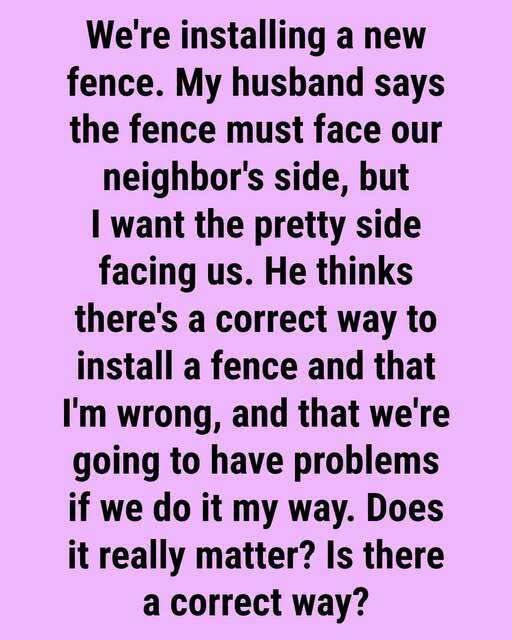
Building a fence is an important home improvement project that can provide privacy, security, and a clear property boundary. While many homeowners focus on selecting materials, height, and style, one
detail that deserves equal attention is which direction the finished side of the fence should face. This small decision can influence both the appearance of the property and relationships with nearby neighbors.
The finished side of a fence is typically the smooth, polished surface without exposed support rails or posts. Many homeowners choose to position this side toward neighboring properties or the street
because it creates a cleaner and more attractive appearance. It reflects thoughtful planning while contributing to an inviting neighborhood environment.
Presenting the finished side outward is often viewed as a simple gesture of courtesy. It demonstrates consideration for the people who share nearby spaces and helps maintain a positive atmosphere
between neighbors. Small choices like these can encourage mutual respect and reduce the likelihood of misunderstandings.
In many communities, fence orientation is more than a recommendation. Local building regulations, zoning ordinances, or homeowner association guidelines may specify that the finished side must face
outward. Reviewing these requirements before construction can help homeowners avoid unnecessary delays, modifications, or additional expenses later.
Even where no formal rules exist, discussing fence plans with neighbors before installation can be beneficial. Open communication allows everyone to understand the project, address any concerns,
and establish clear expectations. These conversations often make the installation process smoother and help preserve good relationships.
Fence orientation also plays a role in curb appeal. A neatly finished exterior gives the property a well-maintained appearance that blends naturally with surrounding homes. Consistent, attractive fencing can enhance the overall look of a neighborhood and create a welcoming first impression for visitors.
From a long-term perspective, quality fencing may contribute positively to a property’s overall appeal. While many factors influence home value, buyers often appreciate homes with attractive, well-maintained outdoor features. A fence that complements the landscape can become another positive feature that supports future resale interest.
Some homeowners prefer double-sided fence designs, which provide a finished appearance on both sides. Although these options may involve a higher initial investment, they offer an attractive solution when neighbors want equal visual appeal. They can also eliminate concerns about which side faces each property.
Regular maintenance is just as important as proper installation. Cleaning the fence, checking for loose boards, repairing damage, and applying protective finishes when needed can extend its lifespan. Routine care helps preserve both its appearance and its ability to provide privacy and security for years to come.
Ultimately, choosing the direction of a fence is about balancing appearance, functionality, and consideration for others. By reviewing local regulations, communicating with neighbors, selecting a suitable design, and maintaining the fence over time, homeowners can create an attractive boundary that benefits both their own property and the surrounding community.