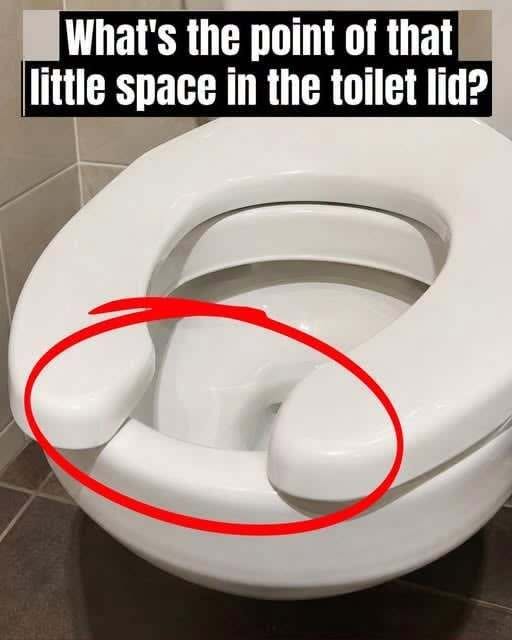
You’ve probably seen the U-shaped toilet seat in countless public restrooms without giving it much thought. That open-front design isn’t a manufacturing mistake or a decorative choice—
it serves several practical purposes. By leaving the front of the seat open, there is less surface that comes into contact with users, reducing exposure to urine splashes, drips,
and direct skin contact. In high-traffic places such as airports, schools, stadiums, and office buildings, this simple design helps improve hygiene and makes cleaning easier for maintenance staff.
The open-front design also offers financial benefits. Because each seat uses less material than a fully enclosed one, businesses and public facilities can reduce manufacturing and replacement costs over
time. While the savings on a single seat may seem small, they become significant when hundreds or even thousands of toilets require maintenance. Another practical advantage is that commercial
U-shaped seats are less desirable for theft since they typically don’t fit standard residential toilets and look unusual in a home setting.
Although the missing front section may seem like a minor detail, it reflects thoughtful engineering focused on cleanliness, efficiency, and practicality. By reducing contact with contaminated surfaces,
lowering maintenance costs, and discouraging theft, the U-shaped toilet seat has become a standard feature in many public restrooms.
It’s a simple design that quietly helps keep facilities cleaner, more economical to maintain, and more convenient for the millions of people who use them every day.