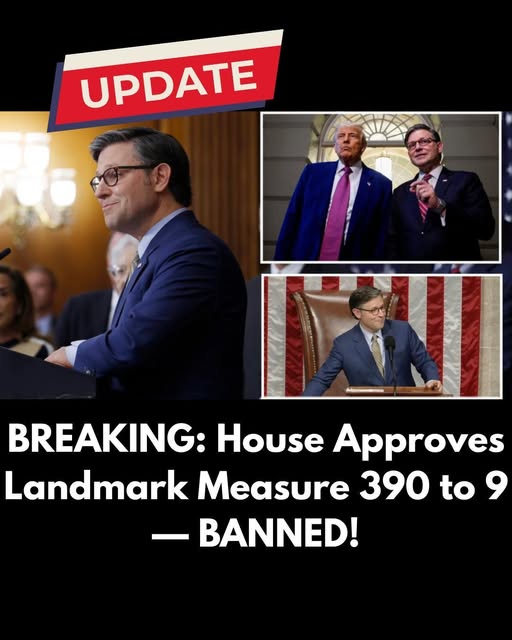
The House has advanced a major bipartisan housing proposal designed to expand the supply of homes considered affordable, giving new momentum to one of the few issues in Washington receiving support from both political parties. In February 2026, lawmakers approved the Housing for the 21st Century Act by a 390–9 vote. Supporters describe the proposal as an effort to reduce barriers to residential construction, update housing programs, and improve access to financing. However, housing analysts note that while legislation like this may help increase supply over time, it does not guarantee immediate changes in housing prices or rental costs.
Attention has now shifted to the Senate, where lawmakers moved beyond an earlier stand-alone proposal and approved a broader measure called the 21st Century ROAD to Housing Act on March 12, 2026, by an 89–10 vote. The Senate package combines key elements of the House bill with the Senate’s earlier ROAD proposal and introduces additional provisions shaped through negotiations. Policy groups monitoring the legislation describe it as a step toward aligning the two chambers’ housing strategies into a more comprehensive framework.
As a result, the focus is no longer only on one chamber approving a bill, but on whether Congress can transform bipartisan support into a final law that passes both chambers. Recent developments indicate that the Senate version will return to the House, where lawmakers must decide whether to approve the revised legislation or continue discussions on specific provisions. The White House has expressed support for the Senate proposal, which may increase the chances of a final agreement if lawmakers reach consensus.
For homeowners, renters, and communities affected by rising housing costs, the broader message is one of cautious optimism rather than immediate change. The legislation represents a serious attempt to address housing shortages through regulatory updates, incentives for development, and targeted policy reforms. Even supporters acknowledge that no single piece of legislation will quickly reduce housing costs, but the current effort signals that housing affordability has become a priority issue receiving significant attention in Congress.