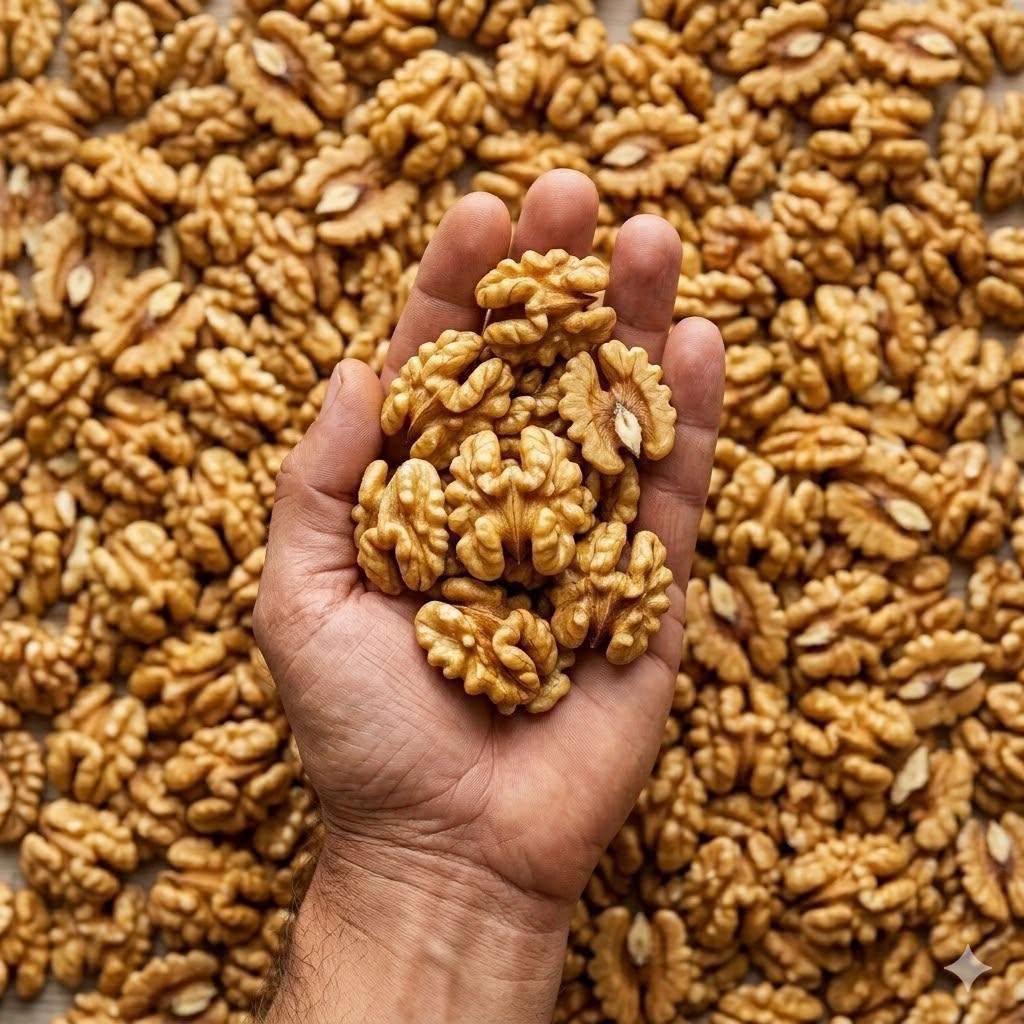
Walnuts are among the most nutrient-dense nuts, providing healthy fats, fiber, plant-based protein, antioxidants, vitamins, and minerals.
They are especially notable for containing alpha-linolenic acid (ALA), a plant-based omega-3 fatty acid.
When included in a balanced diet, walnuts can contribute to overall nutrition and support a heart-conscious eating pattern.
Their combination of healthy fats, protein, and fiber can also help promote fullness between meals. Walnuts are easy to add to oatmeal, yogurt, salads,
grain bowls, smoothies, and baked foods, making them a convenient way to increase nutritional variety without complicated preparation.
Although walnuts are nutritious, portion size still matters because they are calorie-dense. A small handful can provide meaningful nutritional value, while proper storage in a cool, airtight environment
helps preserve their freshness. People with tree-nut allergies should avoid walnuts and seek professional dietary guidance when necessary.
Ultimately, walnuts are not a miracle food, but they can be a valuable part of a balanced lifestyle. Their healthy fats, protein, fiber, antioxidants, and other nutrients make them a simple and versatile addition to
everyday meals. Consumed in moderation alongside a variety of wholesome foods, walnuts can support long-term healthy eating habits.