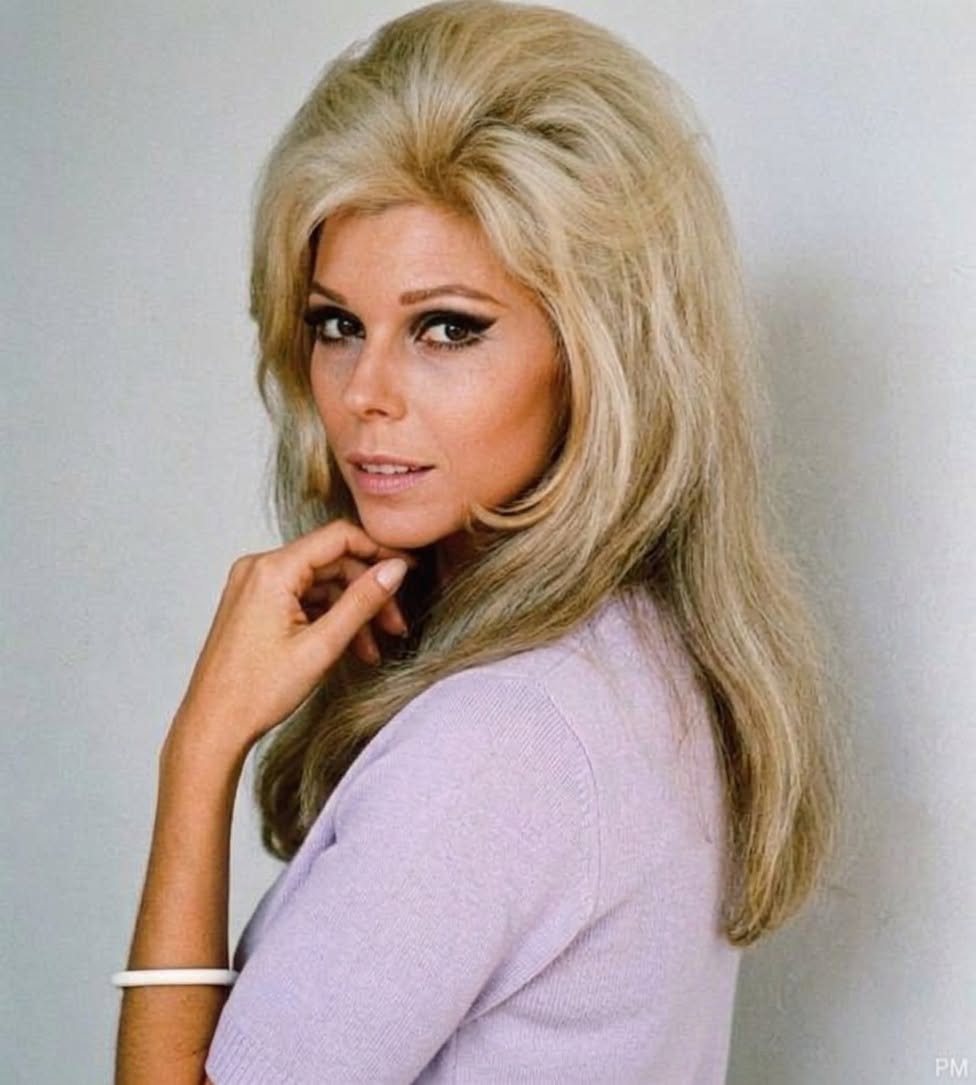
Fame never protected her. It only made every setback more visible, sharper, and harder to ignore. Nancy Sinatra had access to opportunities few could imagine, yet watched her career lose momentum as
executives questioned whether the boss’s daughter could truly succeed on her own. Reinvention gave her a second chance. But love, loss,
and the passing years care little about family names. When the spotlight began to fade again, she faced a choice: step away quietly, or find another way forward.
She grew up in a home where her father’s voice had become internationally recognized, while her own seemed in danger of being overlooked.
Early recordings struggled, critics were dismissive, and the music industry appeared ready to move on without her. Instead, she changed her approach, lowered her vocal register,
embraced a stronger image, and released “These Boots Are Made for Walkin’,” transforming uncertainty into one of the defining moments of her career.
For a time, the world seemed to belong to her—hit records, films, stages, and the thrilling belief that success might keep life’s harder chapters at a distance.
But success could not stop life from changing. Marriages ended, she experienced profound personal loss, and she found herself balancing motherhood
and grief while carrying the expectations attached to her famous surname. Still, she refused to disappear into the past. In her 50s, she returned to
music and made headlines with a bold Playboy appearance that challenged Hollywood’s assumptions about age and relevance. She also helped preserve
her father’s legacy while continuing to cultivate a devoted audience of her own. Nancy Sinatra did more than survive the difficult chapters—she turned them into another reason to keep moving forward.