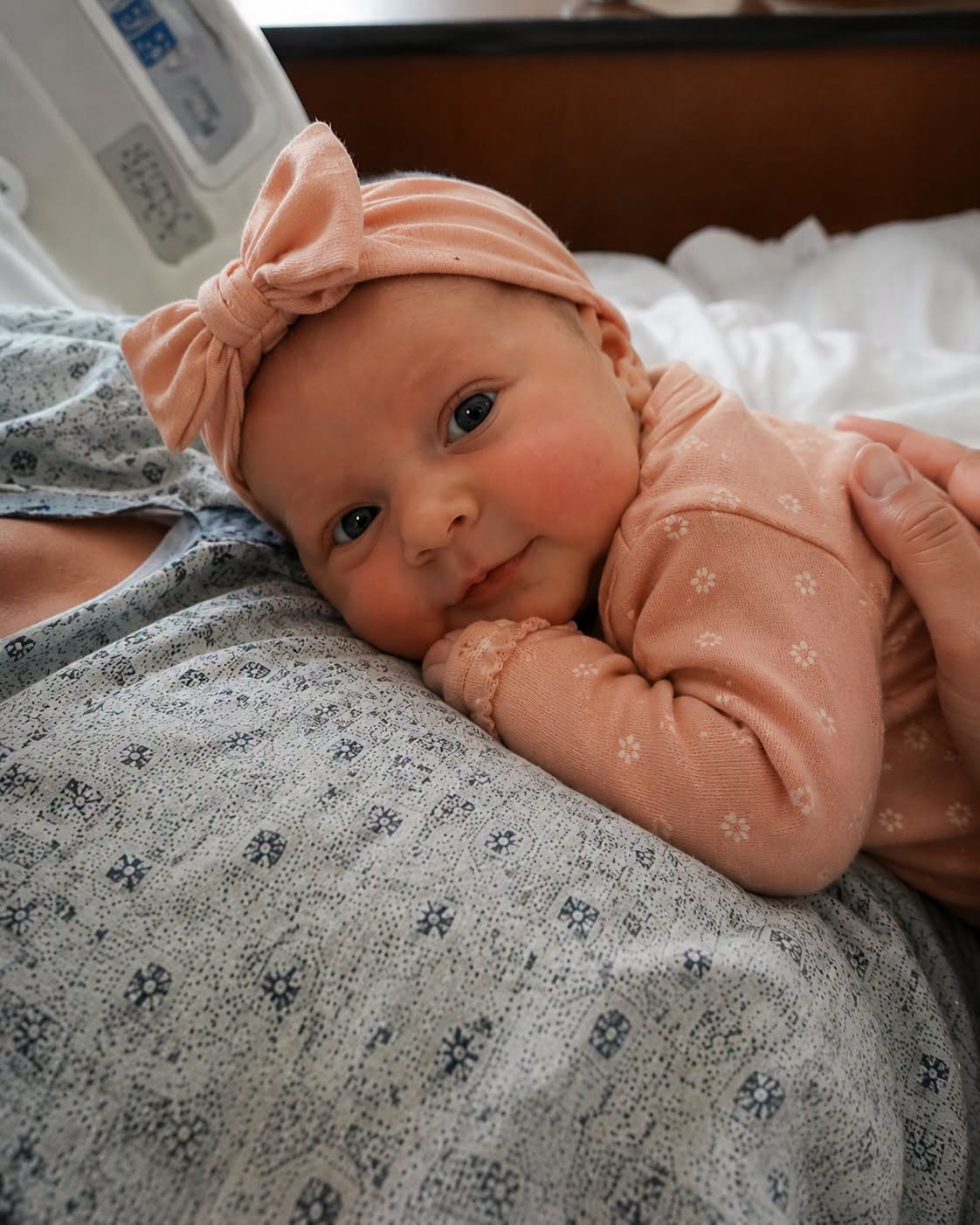
For nearly nine months, I believed I was giving my twin brother Ryan and his wife, Melissa, the greatest gift I could give them. After years of unsuccessful treatments and a pregnancy loss, they had almost
stopped believing they would become parents. When they asked me to be their surrogate, I agreed without hesitation. I was thirty-six and raising my seven-year-old son, Gabriel, alone. Ryan had always
been my closest friend, especially after we unexpectedly lost our parents five years earlier. I believed we were creating something beautiful together, but I had no idea how complicated the journey would become.
Throughout the pregnancy, Ryan and Melissa attended every appointment. Melissa celebrated every milestone, while Ryan supported me during blood tests. When we learned the baby was a girl, Melissa
cried and thanked me. But toward the end of the pregnancy, Ryan became increasingly quiet and distracted. He often stared at his phone during appointments and seemed unsettled after an ultrasound,
although doctors said nothing required immediate concern. I assumed he was simply nervous about becoming a father. When the baby was born, everything changed. The medical team discovered a
physical finding near the base of her spine that required further evaluation. The doctors explained that more testing was needed,
but Ryan became overwhelmed. When I told him to meet his daughter, he held her briefly before whispering, “I can’t take her home,” and walking away.
The baby was named Hope and remained under medical care. Three days later, Ryan came to my house and finally explained what had happened. He had lost his job four months earlier but had hidden it from
Melissa, pretending to go to work while spending his days applying for new positions. His savings were disappearing, and the possibility of additional medical expenses terrified him. “I panicked,” he admitted.
I was angry and told him that Melissa deserved the truth. That evening, he told her everything. Melissa was deeply hurt, not because he had lost his job, but because he had faced everything alone. She told
him they could have reduced expenses, moved somewhere smaller, asked family for help, or simply faced the situation together.
She could understand fear, but she could not build a marriage around secrets. Ryan promised there would be no more secrets.
The conversation did not solve everything, but it gave them a chance to move forward together. Melissa held Hope and reminded Ryan that their daughter needed both parents to face difficult moments
honestly. Eventually, Ryan held Hope again. This time, he looked at her face instead of focusing on the uncertainty ahead. “Hi,” he whispered. “I’m your dad.” Watching them, I realized that being a surrogate
was about more than carrying a baby. People can also carry fear, pressure, expectations, and secrets, but I could not carry Ryan’s burdens for him. He had to face them himself, while Melissa deserved the
truth and Hope deserved parents willing to face challenges together. Their marriage, finances, and Hope’s care still required patience, but no one was hiding anymore. As I left, I saw the three of them
together and finally felt hopeful. They didn’t have every answer, but they were facing the future honestly—and sometimes, that is where a family truly begins.