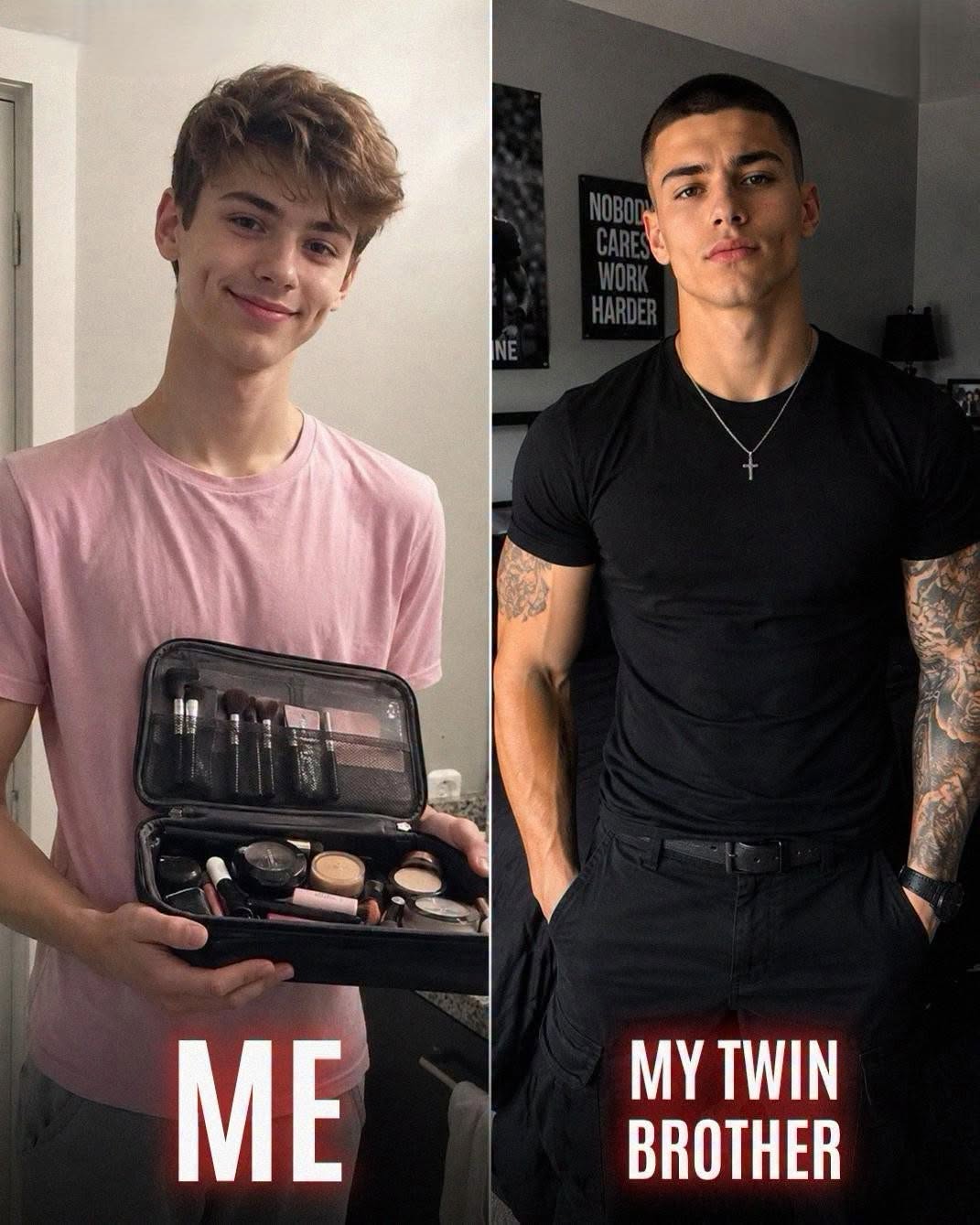
At eighteen, I left home after my father demanded that I give up makeup or move out. Ten years later, I had built a career helping women feel confident about their appearance and thought I had moved
beyond the past. Then my father arrived at my apartment with a photograph of my mother, Belinda, who had been injured in a car accident four months earlier. She had scars on one side of her face, and I was
hurt that nobody had contacted me. Dad admitted he didn’t know whether I would answer. I reminded him that he had
never given me the opportunity to decide. Seeing my mother brought back memories of why I had left in the first place.
Makeup had always meant more to me than appearance. At eighteen, I had helped a classmate with a facial scar feel more comfortable before an event.
When she looked in the mirror and said she still looked like herself, I understood how meaningful my work could be. My father saw makeup differently and wanted me to follow the path of my twin brother,
Jake. On our eighteenth birthday, he gave me an ultimatum, so I left with my clothes, brushes, and little money. Over the next decade,
I built a career helping women with scars, birthmarks, and other changes in their appearance. My philosophy was simple: makeup should be a choice, never an obligation.
After seeing the photograph, I agreed to visit my family. Jake opened the door, and soon my mother appeared. We both became emotional. She told me she had tried to send birthday messages every year,
but I had never responded. She apologized for not coming to find me, and I admitted that I didn’t know how to answer. The next morning, Dad placed makeup products on the counter and suggested that I
help Mom. I asked her directly whether she wanted that, and she said no. I reminded Dad that helping someone did not mean deciding for them. Over the following weeks, I visited Mom regularly without
pressuring her. Eventually, she asked me to help with makeup. She wanted to soften some of the appearance of her scars without covering everything.
I followed her wishes, and when she wanted some makeup removed, she did it herself. For the first time, she was making the decision about her appearance entirely on her own.
Months later, my relationship with my family slowly began to change. I didn’t move back home, and nobody expected me to. Dad eventually visited my apartment and saw the brushes that had once been
the reason he asked me to leave. Instead of criticizing them, he asked about my work and admitted that I had built a good life. Jake also apologized for not standing up for me when we were eighteen, and we
gradually rebuilt our relationship. One evening, Mom agreed to take a family photograph with her scars visible. Nobody asked her to hide them. Looking back, I realized that going home didn’t mean becoming
the person I had been at eighteen. It meant returning as the person I had become, setting healthy boundaries,
and allowing everyone to choose what came next. We could never recover the ten years we lost, but we could decide how to use the years ahead.