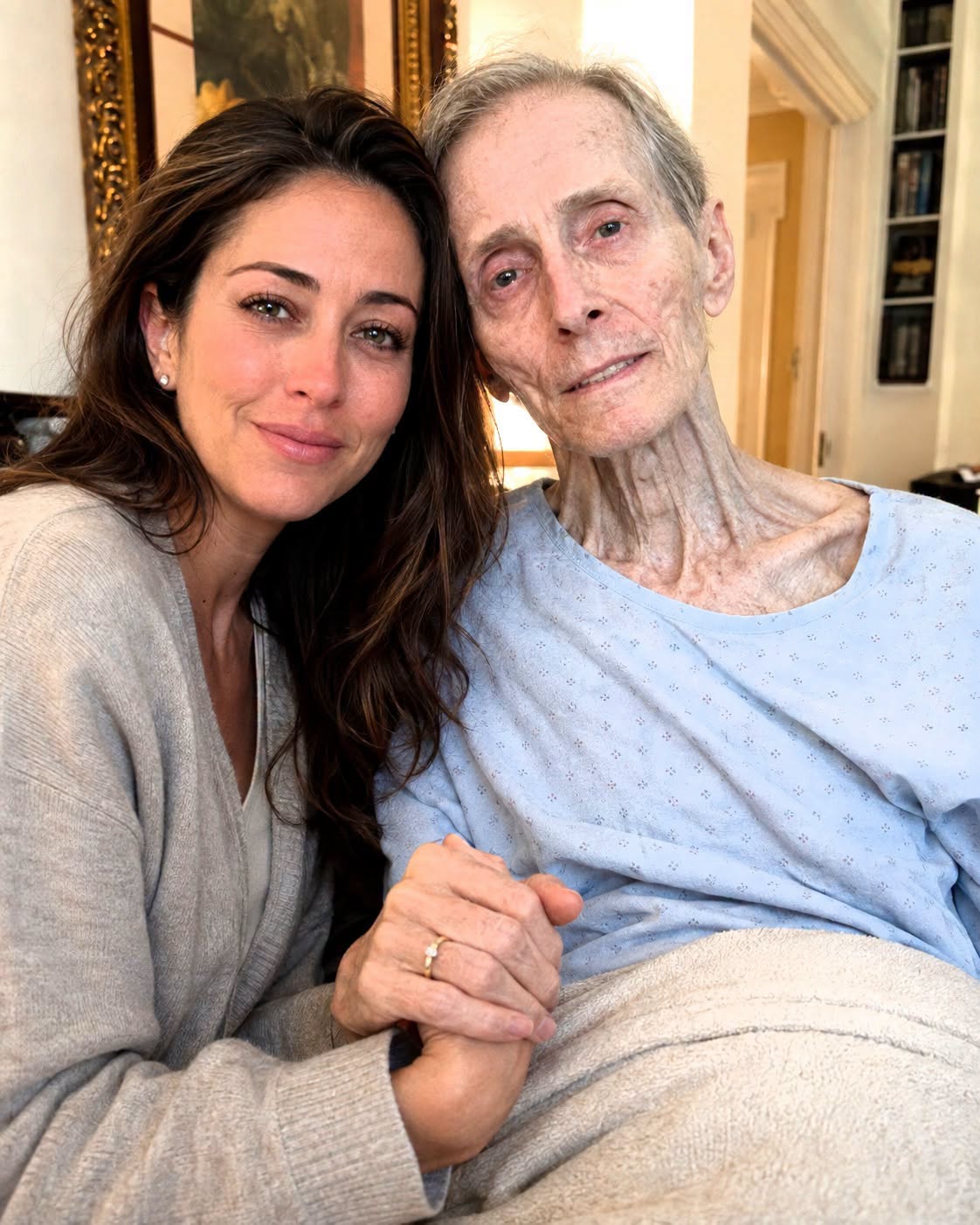
One morning, Susan was repairing her old shoe when an attorney arrived with unexpected news: her father, Thomas, wanted to see her. Susan had entered foster care after her mother died when she was
six and had spent decades wondering why her father never returned. Now seriously ill, Thomas admitted that
he had known where she was but was too afraid to face his past. He asked her to stay for seven days so he could finally explain what happened.
During those days, Thomas shared memories of Susan’s mother and admitted that fear and guilt had kept him away. Susan was hurt but began helping him as his health declined. After his death, an attorney
revealed that Thomas had directed most of his estate toward a foundation helping young people leaving foster care. He also left an opportunity for Susan to join the organization.
Susan later discovered that Caroline, whom she had believed was Thomas’s daughter, had also grown up in foster care and had become Thomas’s ward. Thomas had dedicated his later years to helping
young people after realizing the consequences of abandoning Susan. His efforts could not erase the past, but Susan understood that both truths could exist: he had failed her, and later tried to help others.
Before leaving, Susan realized that Thomas’s choices had never determined her worth. She still did not know whether she would forgive him or join the foundation, but for the first time, the decision was
entirely hers. She placed her suitcase aside and chose to stay for breakfast, realizing that the most meaningful thing Thomas had left her was not money, but the freedom to choose her own future.