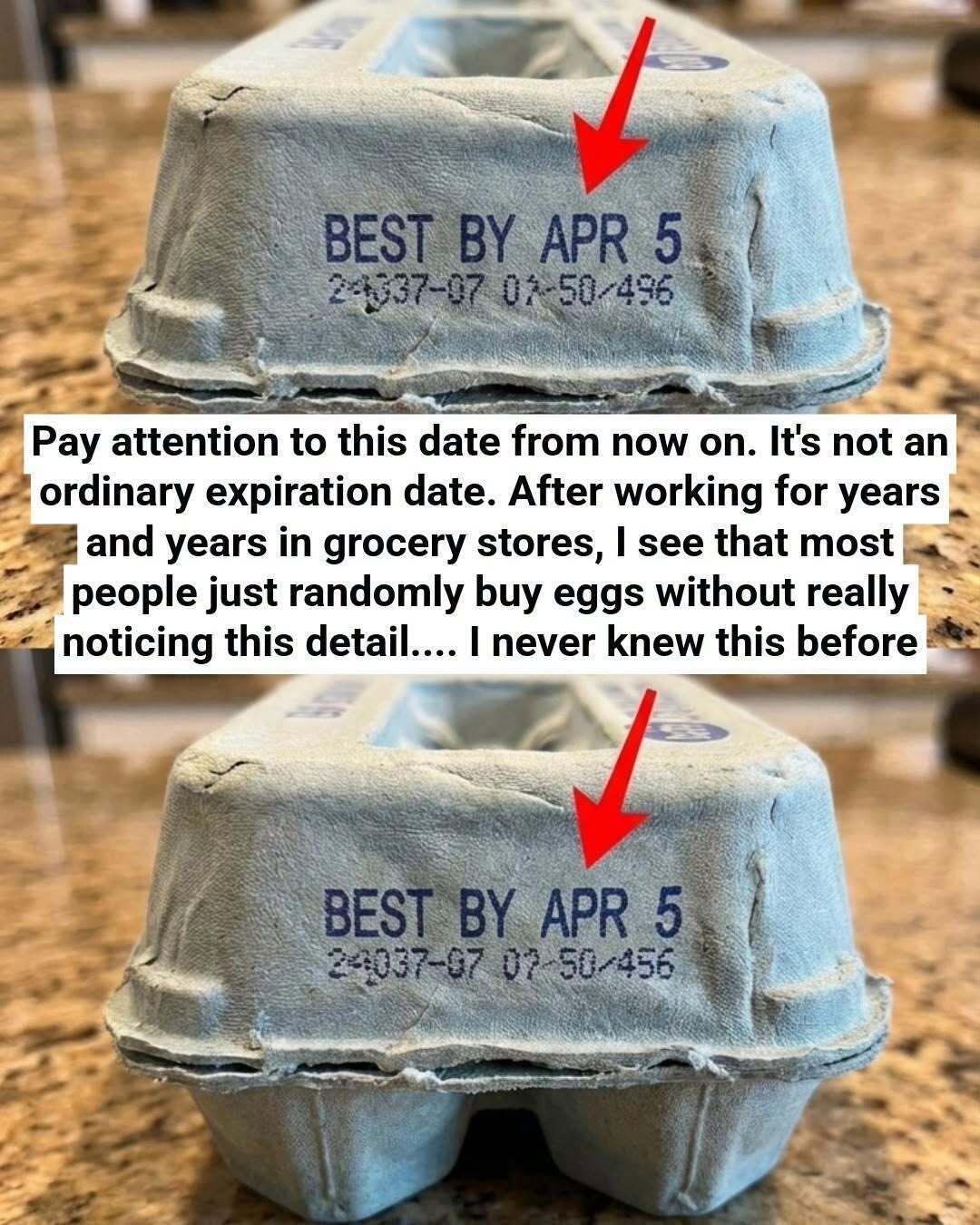
Egg cartons can be confusing because they often contain several dates and numbers. The three-digit code found on many
U.S. cartons is usually a pack date, not an expiration date. It tells you which day of the year the eggs were processed and packaged.
The code uses numbers from 001 to 365, with 001 representing January 1. For example, 032 means February 1,
while 198 means July 17 in a non-leap year. This code can help you compare cartons and use older eggs first, but it does not by itself determine whether an egg is safe to eat.
You may also see a code beginning with “P.” This identifies the processing or grading facility. Other labels, including “Sell By,”
“Best By,” and “Best Before,” have different purposes. A sell-by date mainly helps stores manage inventory, while best-by dates are generally related to quality.
Proper refrigeration is important for both freshness and safety. USDA guidance says raw shell eggs generally keep for
about three to five weeks when refrigerated. Eggs should be kept at 40°F (4°C) or below, preferably on an interior refrigerator shelf and in their original carton.
Freshness and safety are not the same thing. An egg can appear and smell normal while still carrying harmful bacteria such as Salmonella.
That is why the popular water float test cannot prove whether an egg is safe. Floating generally means the egg has developed a larger air cell as it ages.
For safer handling, keep eggs refrigerated and avoid using shells that are cracked or heavily contaminated.
Wash your hands, utensils, and surfaces after handling raw eggs to reduce the risk of cross-contamination.
When cooking eggs, FDA guidance recommends cooking them until the whites and yolks are firm. Cooked egg dishes
generally last about three to four days in the refrigerator, while hard-cooked eggs can keep for about one week.
The main lesson is simple: use carton codes as helpful information, but do not rely on them alone. Keep eggs cold, protect the shells, prevent cross-contamination, cook them properly, and refrigerate leftovers
promptly. If an egg has been badly cracked, contaminated, or stored at unsafe temperatures for too long, it is safest to throw it away.