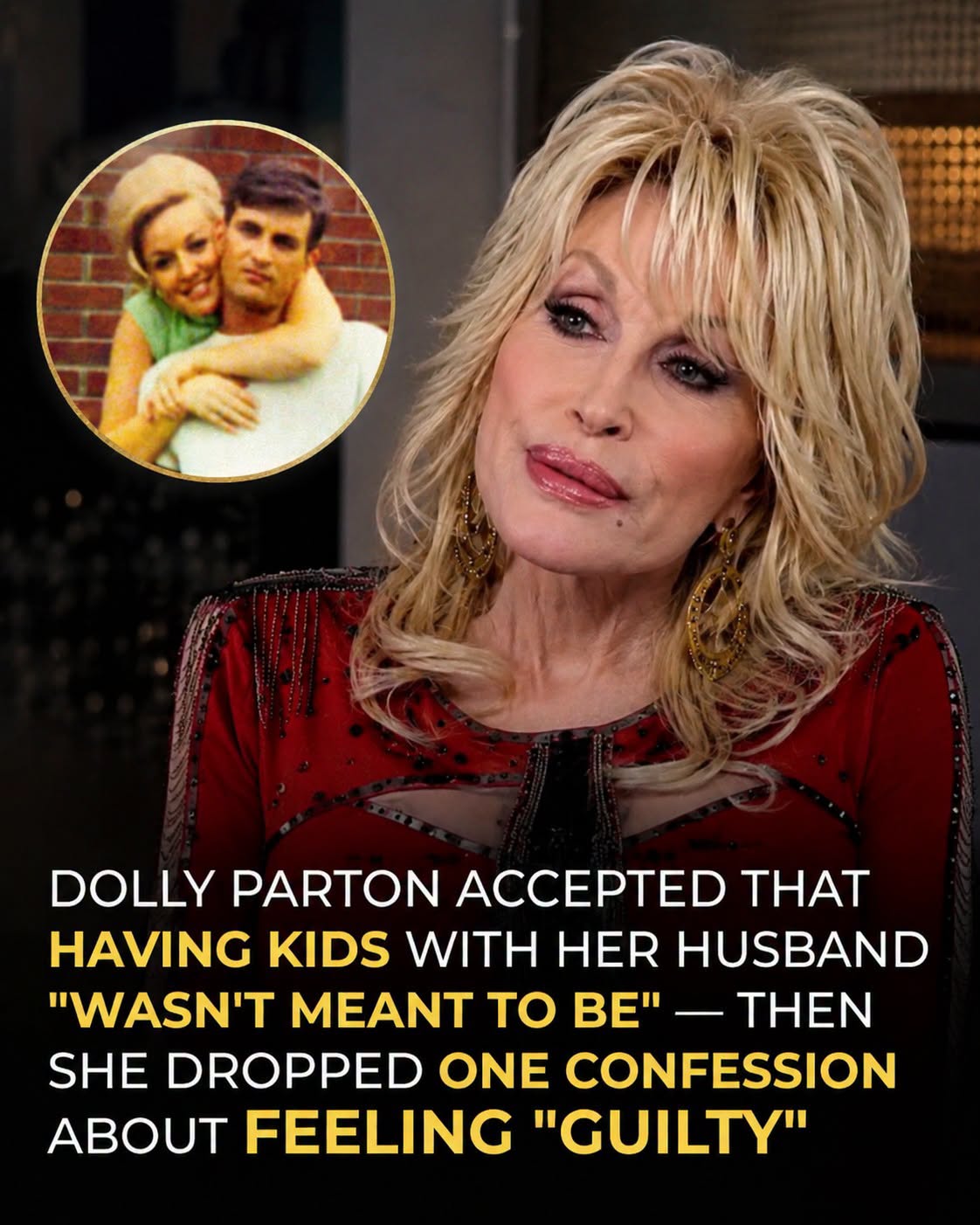
In 1982, after undergoing surgery for hormonal and other health problems, Dolly Parton learned that she could not have children. The news came during a difficult period when she was also dealing with depression, weight gain, and uncertainty in her professional life. She and her husband, Carl Dean, had once imagined becoming parents and even considered the name Carla for a daughter. Although the discovery was painful, Parton eventually found a way to accept a future different from the one she had originally pictured.
Parton grew up as one of 12 siblings in rural Tennessee and was surrounded by children from an early age. After marrying Dean in 1966, she devoted herself to music, acting, touring, business, and other creative projects. Dean valued his privacy, while Parton built an increasingly demanding career. She later explained that motherhood might have changed many of her decisions because she believed she would have been deeply devoted to her children. The responsibilities of raising a family could have required her to spend more time at home and potentially limited the career that made her internationally famous.
The realization was especially difficult during the early 1980s, when Parton described herself as emotionally overwhelmed. She later credited projects such as Rhinestone with helping restore some of her confidence and joy. Over time, her perspective on motherhood changed. She acknowledged that she had once imagined having children, but eventually believed that not becoming a mother had allowed her to pursue opportunities she might otherwise have approached differently. She also helped nieces and nephews through important milestones and maintained close family relationships.
Parton ultimately created another way to support children through the Imagination Library, a literacy initiative that has distributed more than 300 million books worldwide. She suggested that perhaps she was meant to care for children in a broader sense. Her life shows that accepting an unexpected path does not require denying the dreams that came before it. She could acknowledge the daughter she and Dean once imagined while recognizing the enormous legacy she built through music, philanthropy, family, and opportunities created for generations of children.