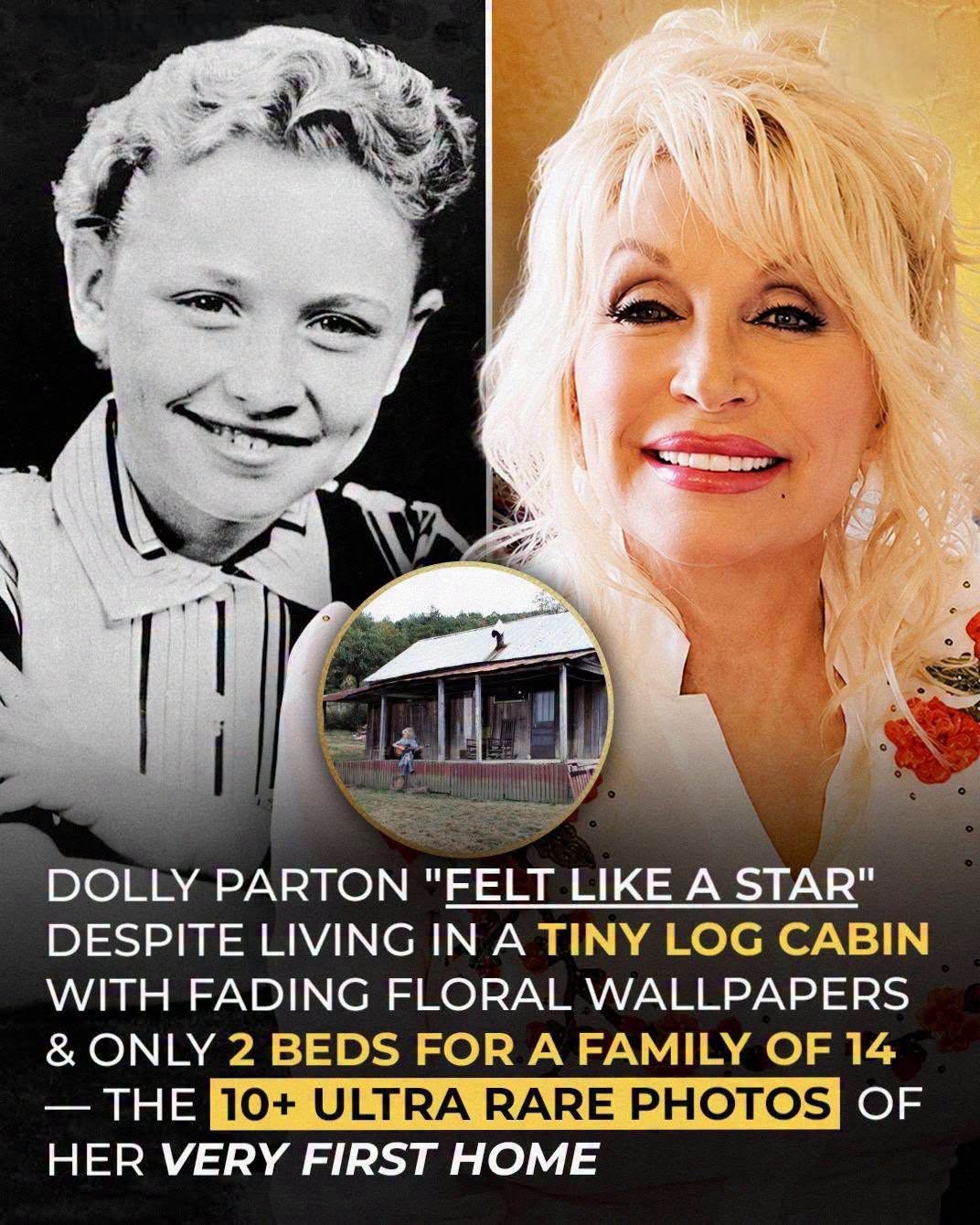
Long before Dolly Parton became famous worldwide for her music, distinctive style, and extraordinary career, she was a young girl growing up in the mountains of East Tennessee with dreams far bigger than her surroundings. In the small family cabin near Locust Ridge in Sevier County, she discovered music, storytelling, and the confidence to imagine another future. Sometimes, her microphone was simply a tin can, while her audience consisted of siblings, relatives, or anyone willing to listen. Dolly was one of 12 children born to Robert Lee and Avie Lee Parton. Although the family had limited financial resources and little privacy, she remembered her childhood as a home filled with music, laughter, stories, faith, and strong family connections.
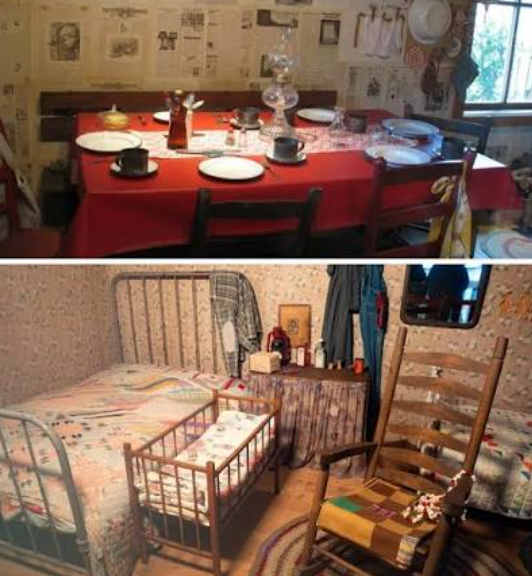
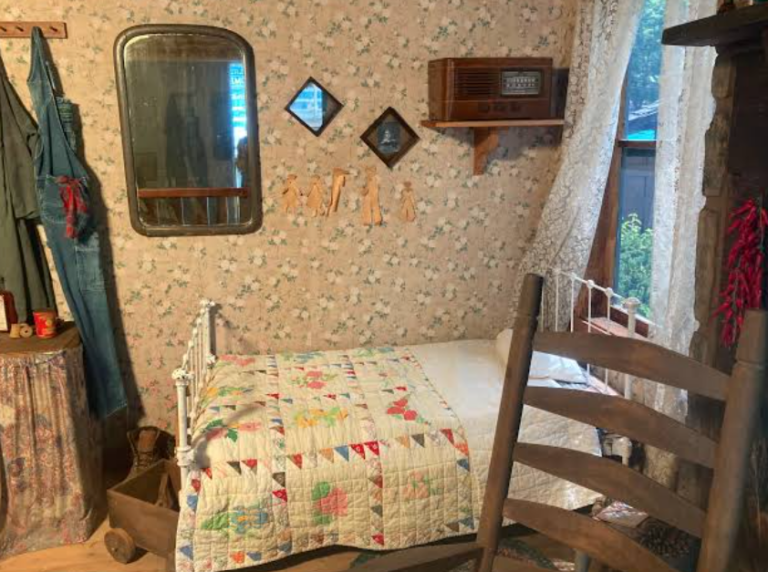
Her mother, Avie Lee, helped create a warm and creative environment. She made quilts, curtains, and clothing from whatever materials were available, and these memories later influenced Dolly’s songwriting. Her famous song “Coat of Many Colors” was inspired by a garment her mother made, transforming a simple childhood experience into a meaningful story about family love, dignity, and gratitude. The cabin itself reflected their modest lifestyle, with children sharing rooms and everyday activities happening close together. Despite having few luxuries, Dolly learned that imagination could turn ordinary moments into lasting memories and stories.
Music soon became central to Dolly’s life. She sang in church, performed for relatives, and practiced whenever she could. The porch became a stage, and household objects could become pretend microphones. After graduating high school, she moved to Nashville to pursue music, entering a competitive world filled with talented performers and songwriters. Success required patience, determination, creativity, and persistence, qualities that would remain important throughout her career.
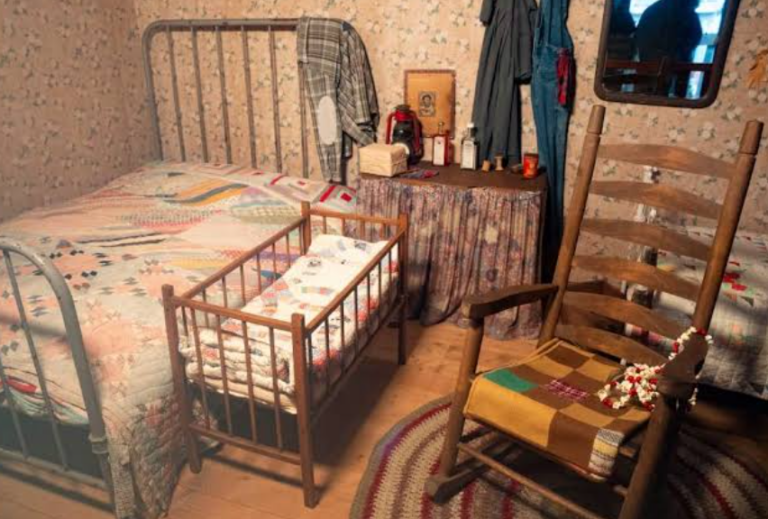
Over the years, Parton became a successful songwriter, singer, entertainer, businesswoman, and philanthropist. Her work expanded into television, film, business ventures, and Dollywood, reaching generations of audiences. A replica of her family cabin at Dollywood allows visitors to see the simple environment where her journey began. Her connection to East Tennessee remained strong through Dollywood, the Dollywood Foundation, and Imagination Library, which promotes children’s love of reading. The cabin therefore represents more than a modest childhood home. It symbolizes the beginning of a remarkable journey shaped by family, creativity, discipline, and persistence. The tin-can microphone was temporary, but the imagination behind it lasted a lifetime.