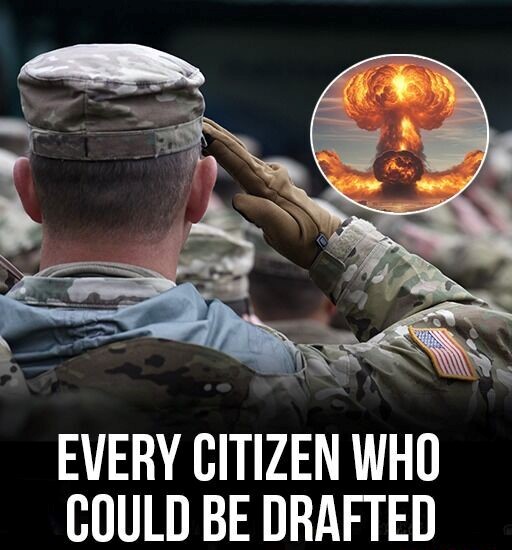
Growing geopolitical tensions have renewed public discussion about whether the United States could ever reinstate a military draft. Although conscription ended in 1973 and the country now relies on an all-volunteer military, the legal framework for a draft still exists. This has led to increased curiosity about how such a system might function if a large-scale conflict required more personnel than volunteers alone could provide.
Recent international developments have contributed to these conversations. Ongoing conflicts in different regions and increased competition among major global powers have raised broader questions about security and preparedness. Analysts often note that modern conflicts can evolve quickly due to advances in technology, including cyber capabilities, long-range systems, and other emerging tools that can change how nations respond to global events.
Public opinion in several countries reflects these concerns, with surveys suggesting that some people are increasingly aware of potential global risks. As a result, attention has returned to the Selective Service System, which has largely remained in the background for decades. Many people are now asking how the system works and what steps would be involved if it were ever activated in a national emergency.
The United States shifted to its current volunteer-based military following the Vietnam War, but the Selective Service System still requires registration for men between the ages of 18 and 25. This registration does not indicate that a draft is expected, but it allows the government to maintain a record of individuals who could be eligible if authorized by Congress and the president. Discussions about updating and modernizing the system have also emerged, reflecting how policies may evolve alongside changing national and global conditions.