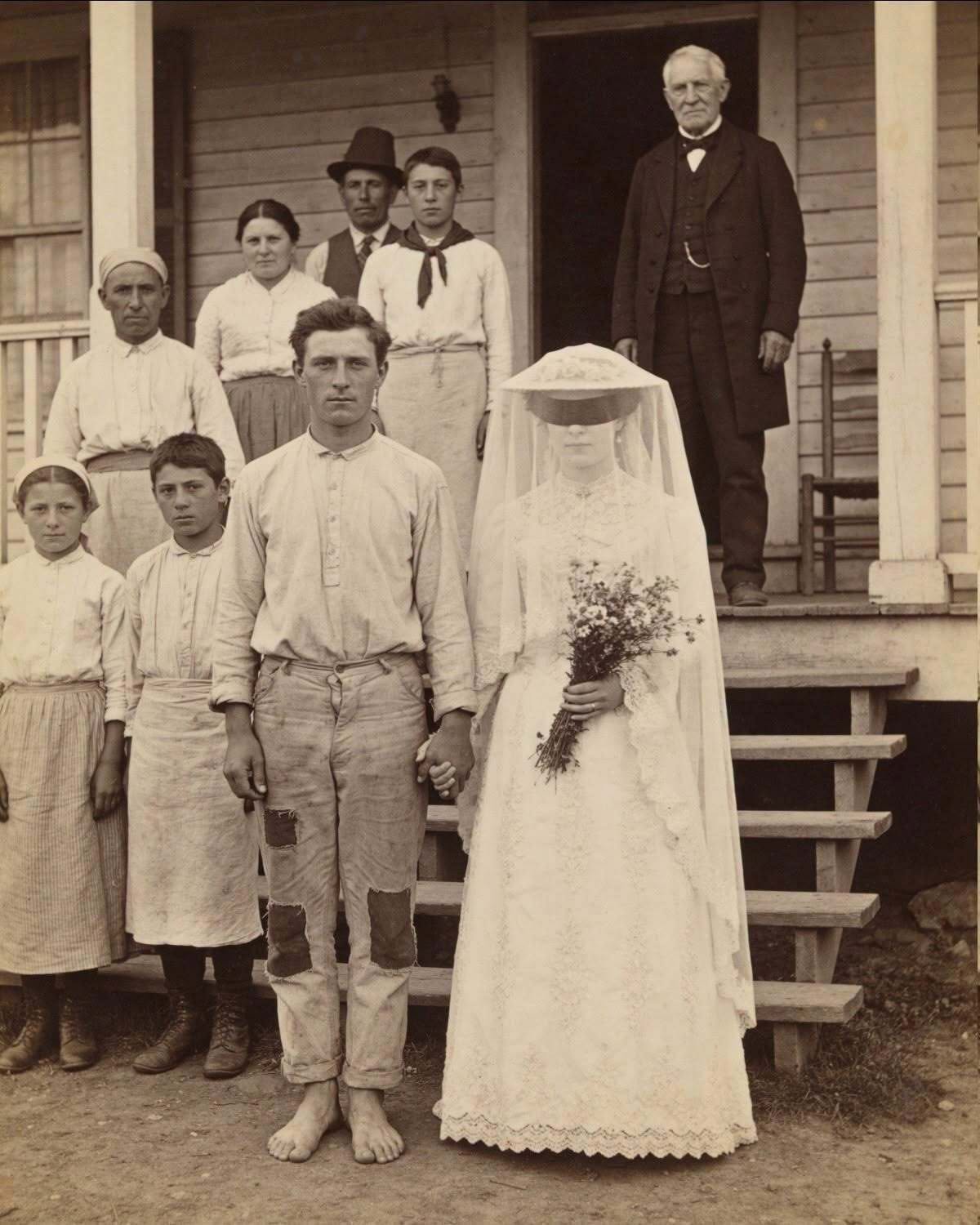
Zainab has spent her life under the strict control of her father, Malik, in a remote valley where tradition and family reputation are valued above personal choice. To Malik, his daughter’s dreams and feelings are unimportant compared with what he believes will benefit the family. When he announces that Zainab will marry Yusha, a quiet widower she barely knows, she realizes that she has no opportunity to refuse. On her wedding day, she feels less like a bride and more like someone being handed over to a stranger.
However, Yusha is not the man she expected. Instead of demanding obedience, he treats her gently and understands her fear. He does not pressure her emotionally or physically, allowing her the time and space necessary to feel comfortable in her new surroundings. As the days pass, Zainab notices his quiet acts of kindness. He listens carefully, helps around the home, respects her opinions, and never mocks her fears. His behavior is unfamiliar because she has spent years believing that authority always means anger and control.
Slowly, Zainab begins to lower the walls she built around herself. Her painful memories of Malik remain, but Yusha’s patience gives her an opportunity to heal and rediscover her confidence. For the first time, she realizes that strength does not always need to be loud or forceful. Their relationship gradually changes from a marriage imposed upon her into an unexpected partnership built on trust, honesty, and mutual respect.
Together, Zainab and Yusha begin creating a home where understanding replaces fear. Zainab discovers that she can express her feelings, make her own choices, and still hope for happiness. Her story becomes one of dignity, resilience, healing, and self-worth. Although she could not choose the circumstances that brought her into the marriage, kindness and respect helped her find the courage to build a better future and understand that her voice truly matters.