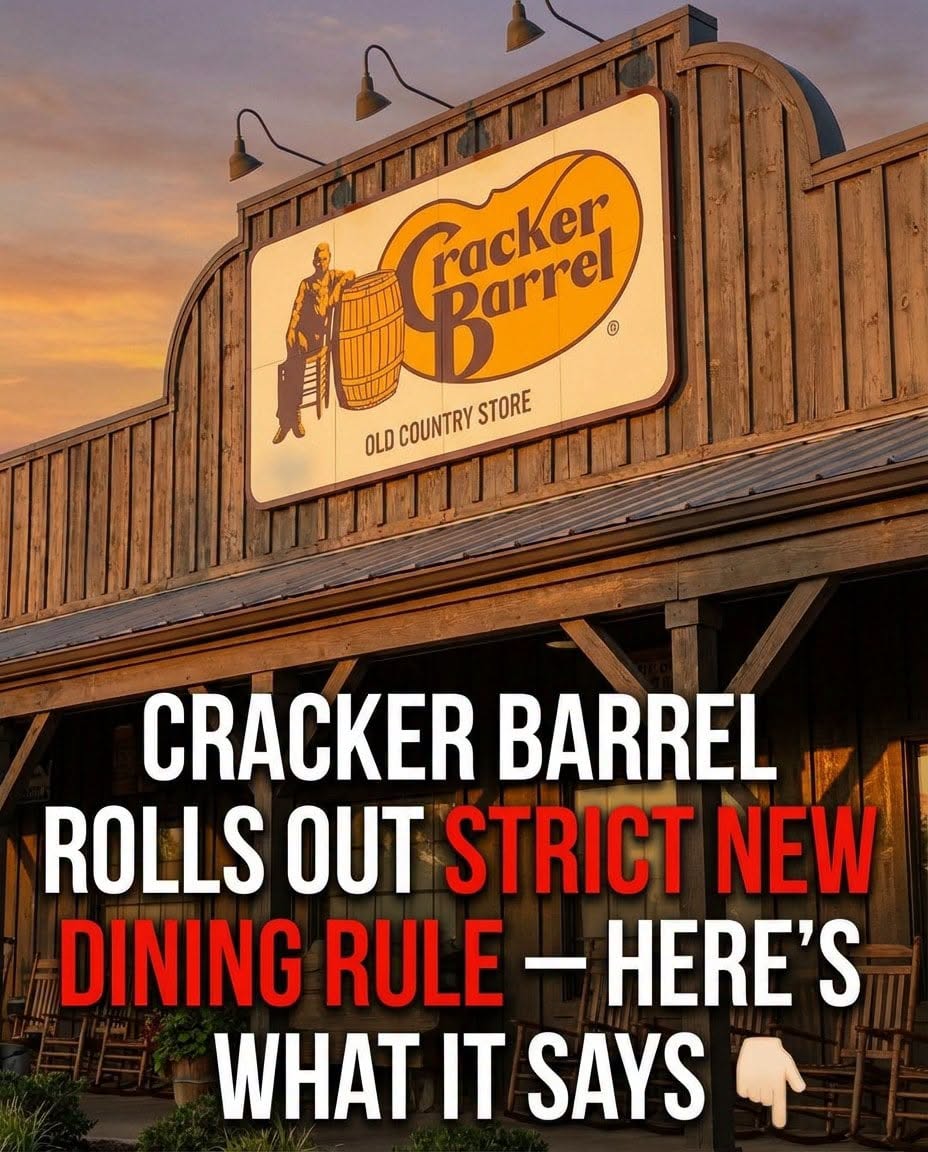
The backlash arrived quickly. What had been presented as a simple update felt very different to longtime guests, who saw familiar elements of a beloved tradition being replaced. A thinner logo, brighter lighting, and more open walls created the impression that something meaningful was disappearing. The changes were not simply about design; for many customers, they represented the possible loss of a place connected to years of memories.
Cracker Barrel’s experience highlighted the delicate relationship between a brand and the people who have grown up with it. Guests were not necessarily upset about fonts, furniture, or lighting alone. They were reacting to the feeling that a familiar environment was changing. Rocking chairs, peg games, and the country store were more than decorations to many visitors. They represented consistency and nostalgia in a world where so much else had changed.
When the company began adjusting the redesign and restoring familiar elements, the decision carried a broader message. It suggested that nostalgia can be more than a marketing strategy; it can be part of the emotional relationship customers have with a brand. For longtime guests, preserving recognizable details can demonstrate that their memories and expectations are being taken seriously.
The situation also offered a lesson about communication and trust. When company policies or changes are presented in ways that feel overly restrictive or disconnected from customers, confidence can weaken. By clarifying its intentions, adjusting its approach, and responding to feedback, Cracker Barrel showed the value of listening. In the end, maintaining a strong relationship with customers can matter just as much as introducing something new.