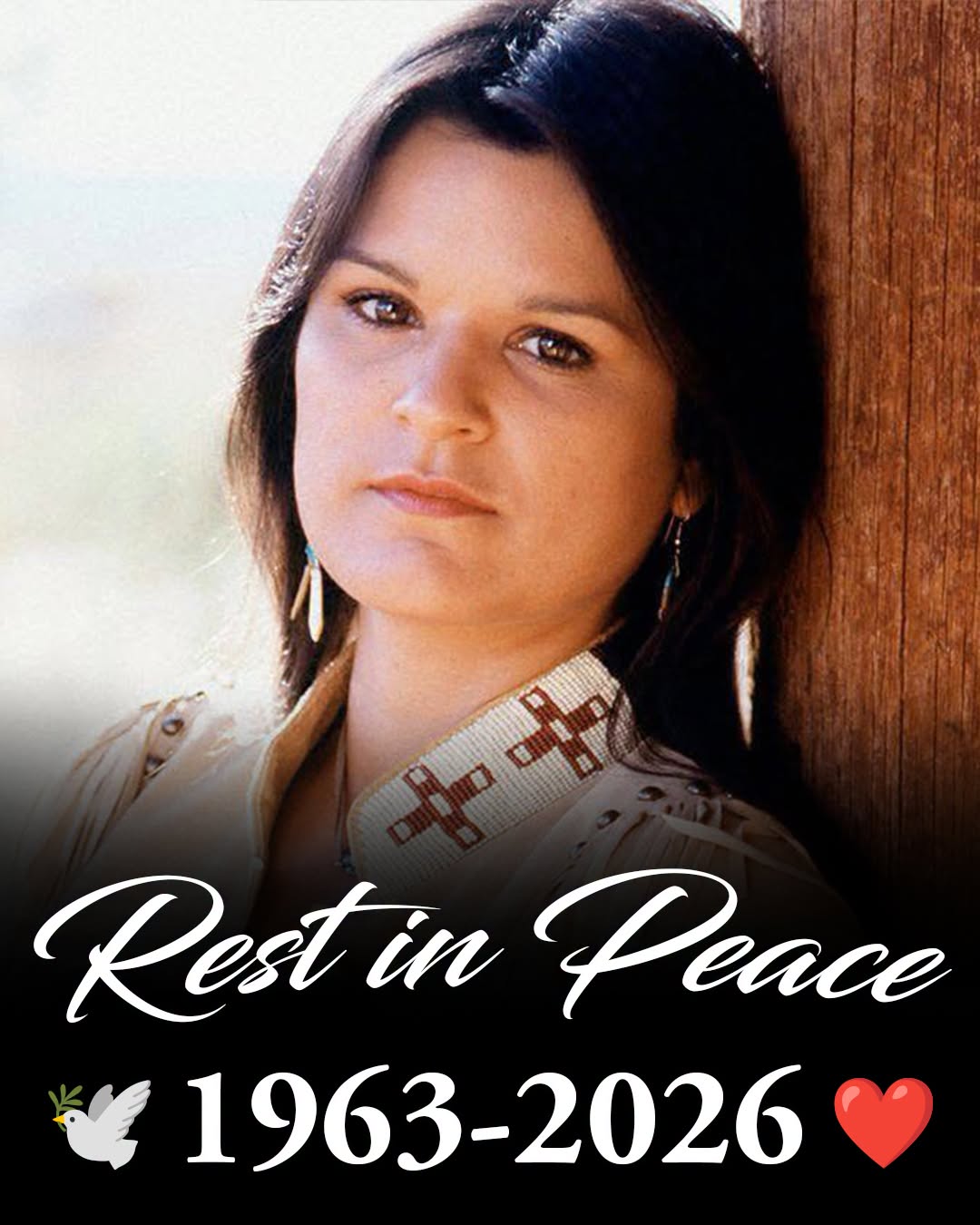
Georgina Lightning spent much of her life documenting Indigenous stories and highlighting the achievements of Indigenous communities. Her sudden death at the age of 63 following an incident at a rodeo in Alberta brought widespread attention to the filmmaker, actor, mother, and advocate she had become. Although the circumstances of her passing were unexpected, her decades of creative work and dedication to Indigenous representation have become an important part of how she is remembered.
During her final hours, Lightning was reportedly focused on a subject closely connected to her lifelong work: Indigenous stories. She was documenting Indian Relay racing, a traditional and highly competitive form of horse racing that has become an important part of Indigenous cultural events. Her career had taken her from early acting opportunities to filmmaking, where she became recognized as a pioneering Indigenous woman in North American cinema.
Lightning was also known for creating opportunities for others within the entertainment industry. Through her work, mentorship, and advocacy, she encouraged Indigenous performers and filmmakers to share their experiences and develop stories that reflected their communities. Her career demonstrated the importance of greater representation both in front of and behind the camera, while helping create opportunities for future generations.
Following her death, tributes from her daughter Crystle, former co-stars, friends, and members of the Indigenous creative community reflected the impact she had on those around her. Her influence extends beyond individual productions, continuing through the filmmakers she encouraged, the performers who found inspiration in her work, and the stories that may be told because of the opportunities she helped create. Her contribution to Indigenous representation remains an important part of her legacy.