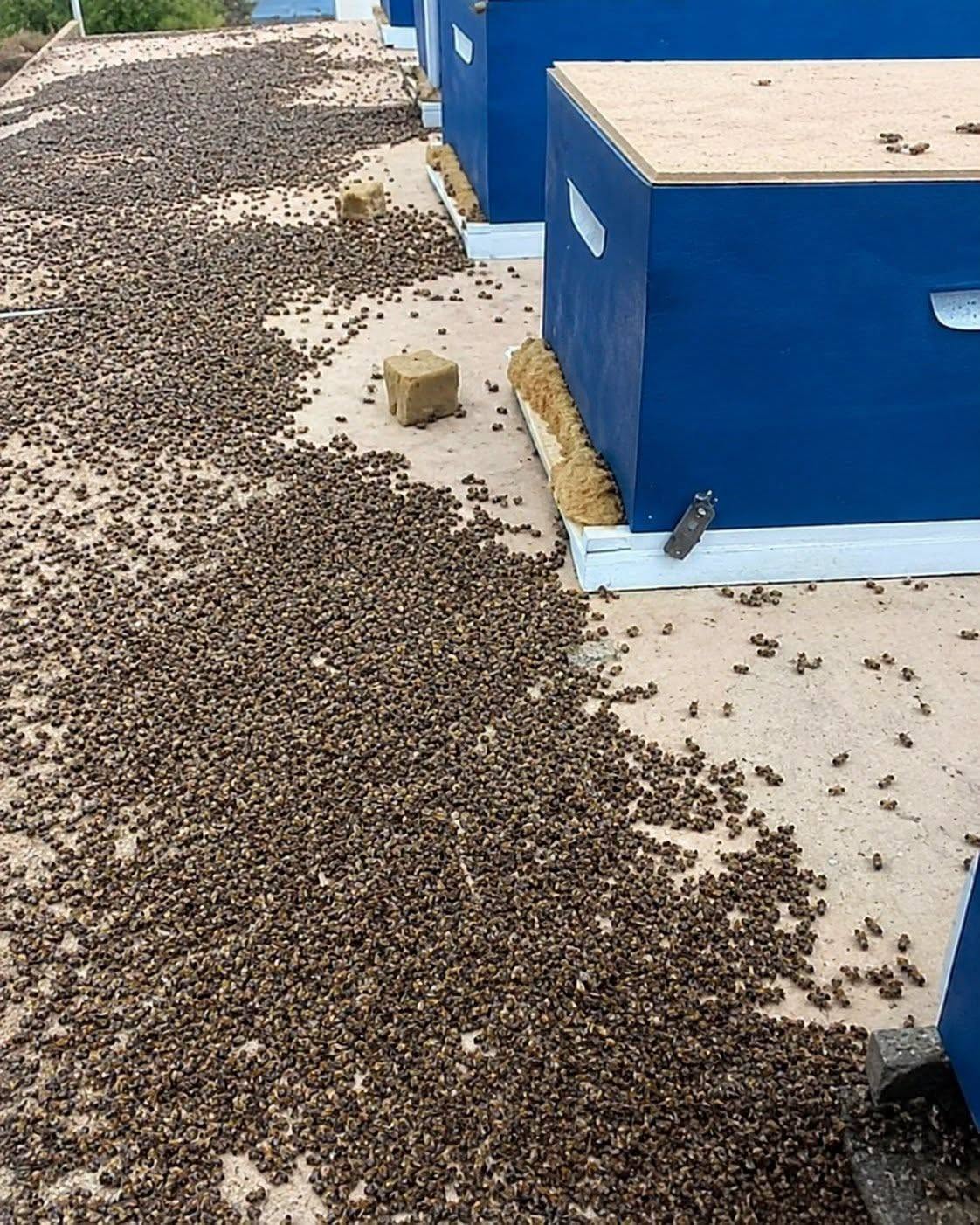
Bee populations are facing increasing pressure from pesticides, habitat loss, and changing environmental conditions. Because bees and other pollinators help flowering plants reproduce, their health is closely connected to biodiversity, agriculture, and the availability of many foods people rely on. Fruits, vegetables, nuts, and seeds are among the crops that can benefit from effective pollination.
Several factors can make survival more difficult for bees. Pesticide exposure, shrinking natural areas, and the loss of flower-rich habitats can reduce both food supplies and suitable nesting locations. When these pressures occur together, bee colonies may become weaker, while wild bee populations can also decline.
The effects can extend beyond individual colonies. Reduced pollination may affect plant reproduction and, in turn, the species that depend on plants for food and shelter. Agriculture can also be affected when crops that rely heavily on insect pollination experience lower pollination efficiency or less consistent yields.
There are practical ways to support pollinators. Limiting unnecessary pesticide use, particularly during flowering periods, can reduce exposure, while restoring wildflower areas and planting diverse native species can provide food across different seasons. Farmers can also use approaches such as crop rotation, hedgerows, and integrated pest management. Even home gardens with nectar-rich flowers can provide useful habitat, making pollinator protection an important part of maintaining healthy ecosystems and food systems.