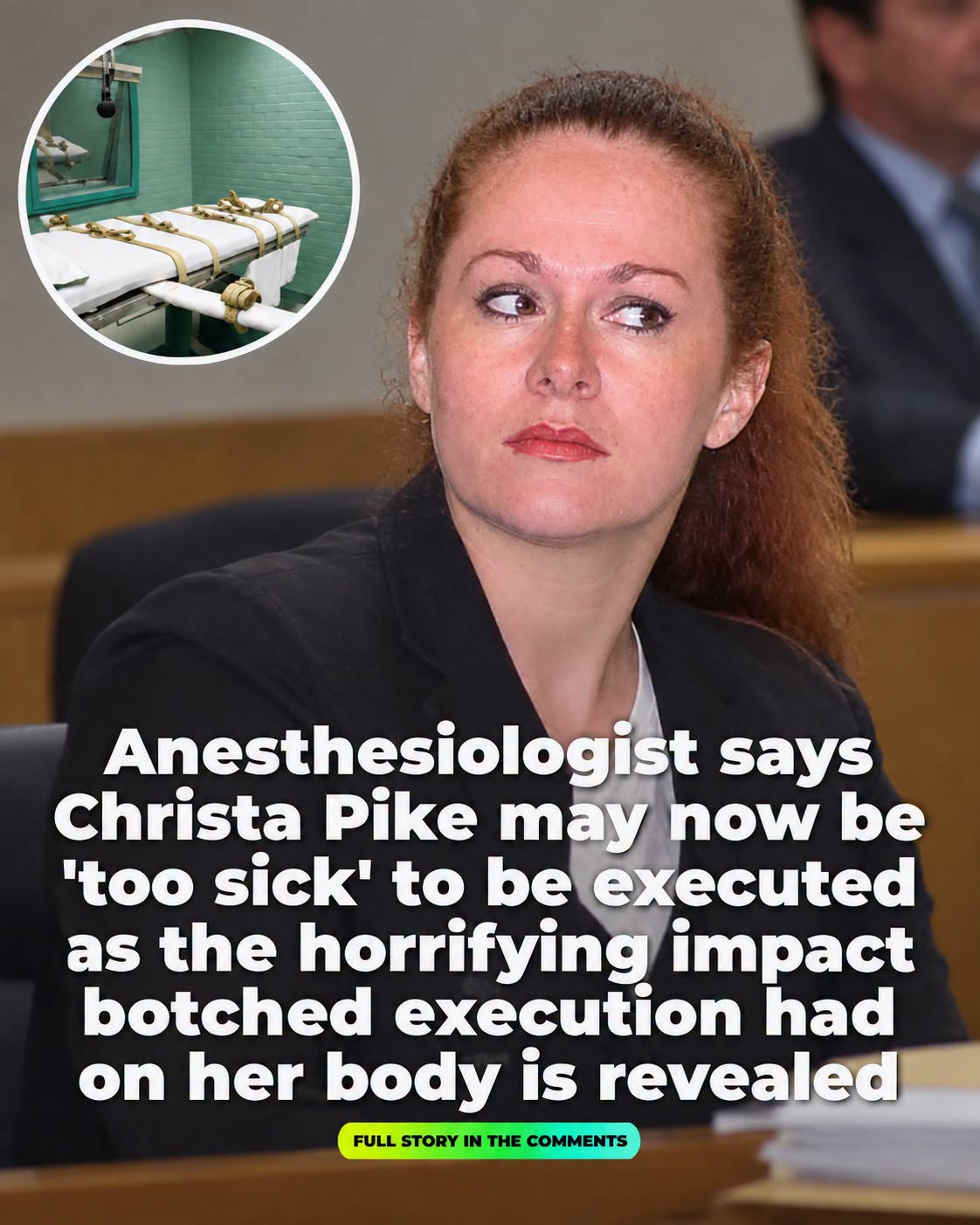
Questions surrounding Tennessee’s correctional procedures have drawn attention after a scheduled procedure involving Christa Pike was halted following reported difficulties establishing intravenous access. The incident has raised questions about medical oversight, procedural safeguards, and what factors could affect future decisions. An independent review is expected to help clarify the circumstances and determine what steps may follow.
According to the report, the September 30 procedure was stopped after staff encountered difficulties establishing the intravenous line required to administer the prescribed medication. Pike’s attorney, Randy Spivey, said that multiple attempts were made and that her arms developed blistering. Corrections officials reportedly confirmed that Pike was later transferred to an outside medical facility. However, the available information does not establish the full extent of her injuries or provide a definitive diagnosis.
Dr. Joel Zivot, an anesthesiology professor at Emory University who has publicly opposed capital punishment, offered an assessment of the reported circumstances in comments cited by The Sun. He suggested that medication may have entered tissue surrounding the intended vein rather than reaching the bloodstream as planned. He also noted that potential complications could affect whether another procedure would be medically feasible. These comments are an expert interpretation and not a confirmed diagnosis of Pike’s condition.
The report states that Tennessee Governor Bill Lee suspended related proceedings through the end of the year while an independent review takes place. Important questions remain about the medical difficulties, Pike’s condition, and the review’s conclusions. Any future decisions will depend on documented medical findings, official recommendations, and applicable legal procedures. Until those details are established, it would be premature to predict the outcome or determine whether further proceedings will be possible.