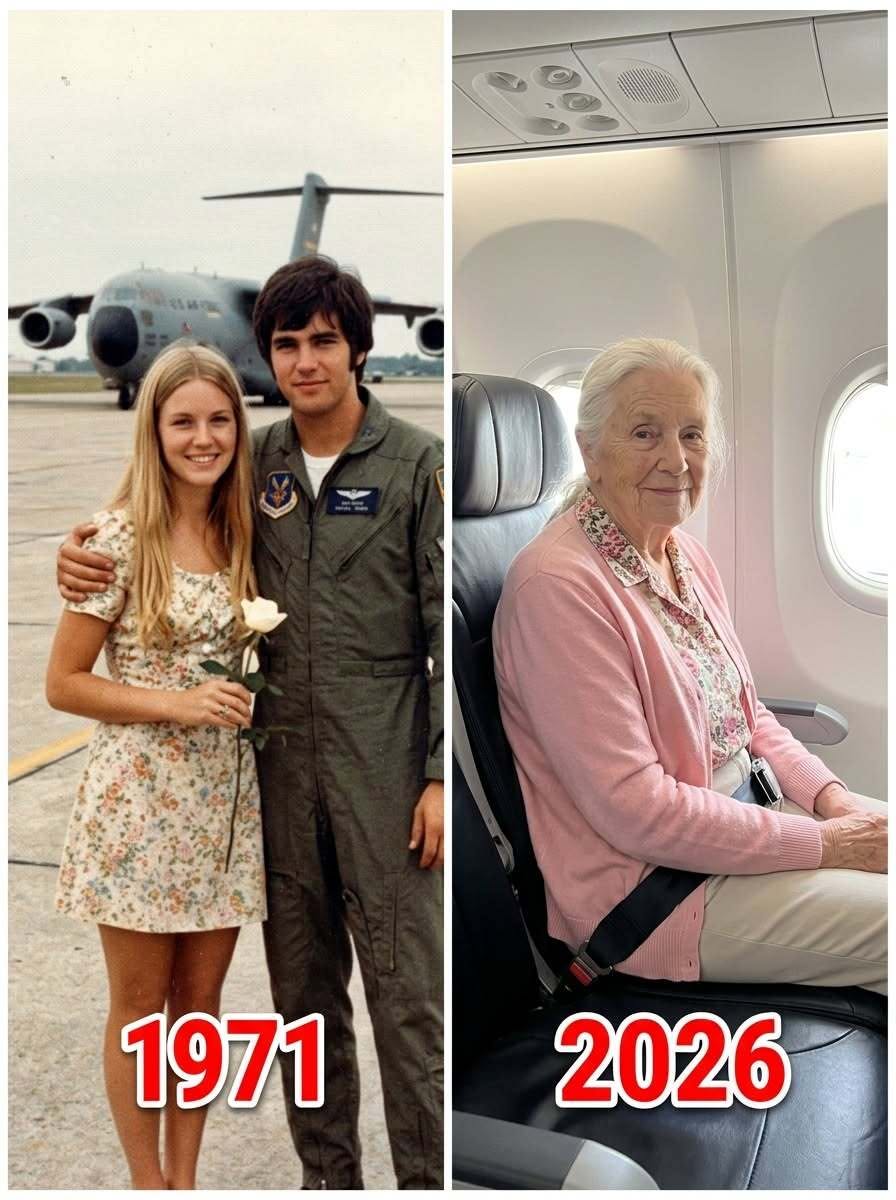
I was twenty-one when my college sweetheart, Thomas, disappeared during the Vietnam War. We had planned to marry after graduation, but his aircraft vanished, leaving him officially missing in action. Although I became an English teacher and built a meaningful life, I never married. Every year, I visited a military memorial with a white rose and our college photograph.
At seventy-six, a stranger named Daniel approached me at an airport. He introduced himself as Thomas’s grandson and revealed that Thomas was alive. He had survived captivity, returned home in 1973, married a nurse named Margaret, and raised two children. Now seriously ill, he wanted to see me again.
When Daniel brought me to Thomas’s home, I immediately recognized his eyes. I demanded to know why he had allowed me to mourn him for decades. Thomas admitted he had fallen in love with Margaret during recovery and lacked the courage to contact me. He had even falsely told his parents that I knew he was alive.
His children were shocked, and Thomas begged for forgiveness. I refused another chance, explaining that forgiveness could not erase fifty-five years of waiting. Later, I returned to the memorial with a white rose but kept our photograph. When my sister asked about my plans, I answered, “I want to see the ocean.” Finally, I was ready to move forward.