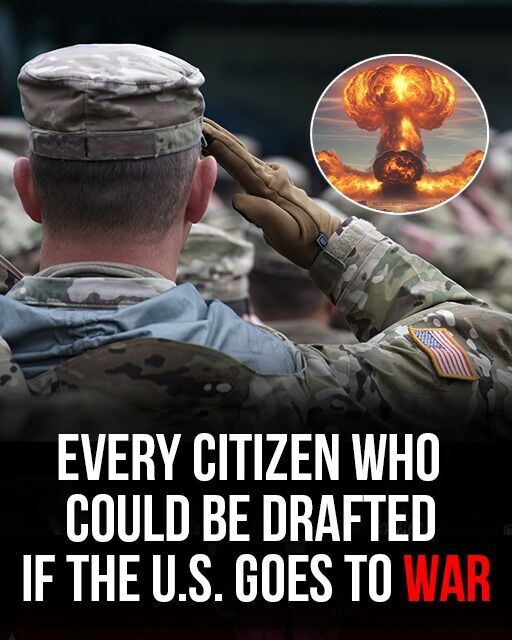
Growing geopolitical tensions have renewed public discussion about whether the United States could ever reintroduce mandatory military service. Although the country ended conscription in 1973 and now relies on an all-volunteer force, the legal framework for such a system still exists. This has led to questions about how it might function if a large-scale situation required more personnel than the current structure can provide.
Recent global developments have contributed to these conversations. Ongoing events such as the conflict involving Russia and Ukraine, continued instability in parts of the Middle East, and increasing competition among major global powers have all raised concerns about international security. Analysts often note that modern conflicts can evolve rapidly, especially with the growing role of cyber capabilities, advanced defense systems, and emerging technologies.
Public opinion across several Western countries reflects these concerns. Surveys indicate that many people believe the world could face a major international conflict within the next decade, with some expressing concern about the potential use of highly destructive weapons. As a result, the operations of the Selective Service System—which has received little attention for years—have returned to public discussion, with increased interest in how such a system would work if ever required.
The United States moved away from mandatory service after the Vietnam War, transitioning to the current volunteer-based model. However, the Selective Service System continues to maintain a registry of men aged 18 to 25. Registration does not indicate that any immediate changes are planned, but it ensures preparedness if national authorities approve such measures during an emergency. Not registering may result in legal consequences, and officials have also discussed modernizing the system in the future by improving how registration connects with existing federal data systems.