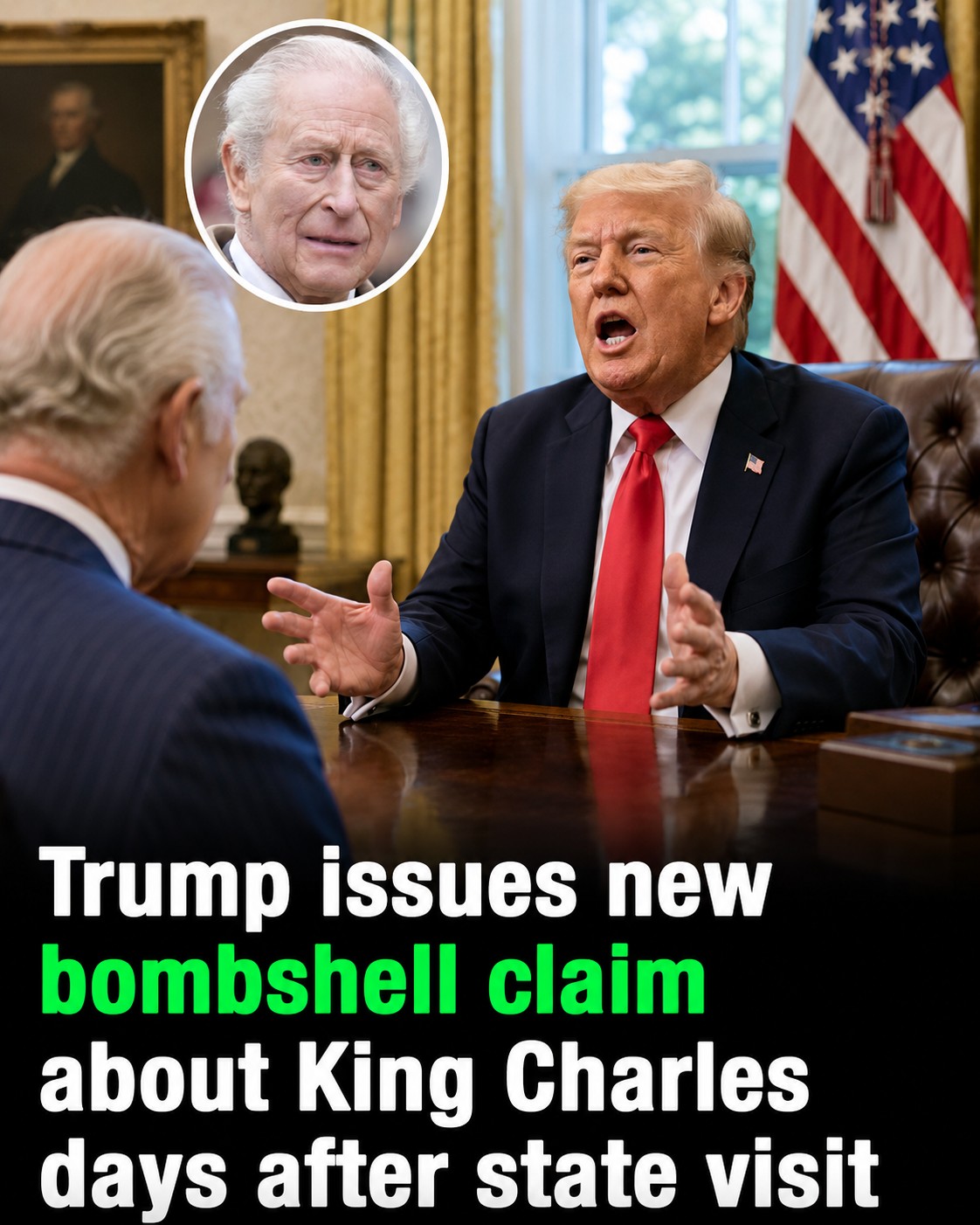
During a recent state visit at the White House, comments involving Donald Trump and King Charles III attracted significant public attention following discussions related to international policy matters. The moment became widely discussed due to both the nature of the remarks and their connection to established diplomatic traditions between governments and institutions.
The British monarchy operates under a long-standing principle of political neutrality, meaning the monarch does not publicly support specific political positions or policy decisions. This role is considered an important part of the constitutional framework in the United Kingdom. Because of this, any public interpretation suggesting personal political alignment often leads to clarification in order to maintain institutional balance and avoid misunderstanding.
Following the remarks, Buckingham Palace released a carefully worded statement emphasizing alignment with the official position of the UK government rather than any personal political viewpoint. The response reflected the monarchy’s traditional communication approach, which focuses on stability, neutrality, and diplomatic consistency instead of direct political involvement.
During the same visit, conversations also included economic and trade-related topics, including references to tariff discussions affecting industries such as whisky exports. These remarks were presented in a more cooperative tone, highlighting potential economic opportunities for businesses and workers in both the United Kingdom and the United States. Overall, the visit demonstrated how modern diplomacy often combines political discussion, economic interests, and public communication in ways that can quickly draw international attention.