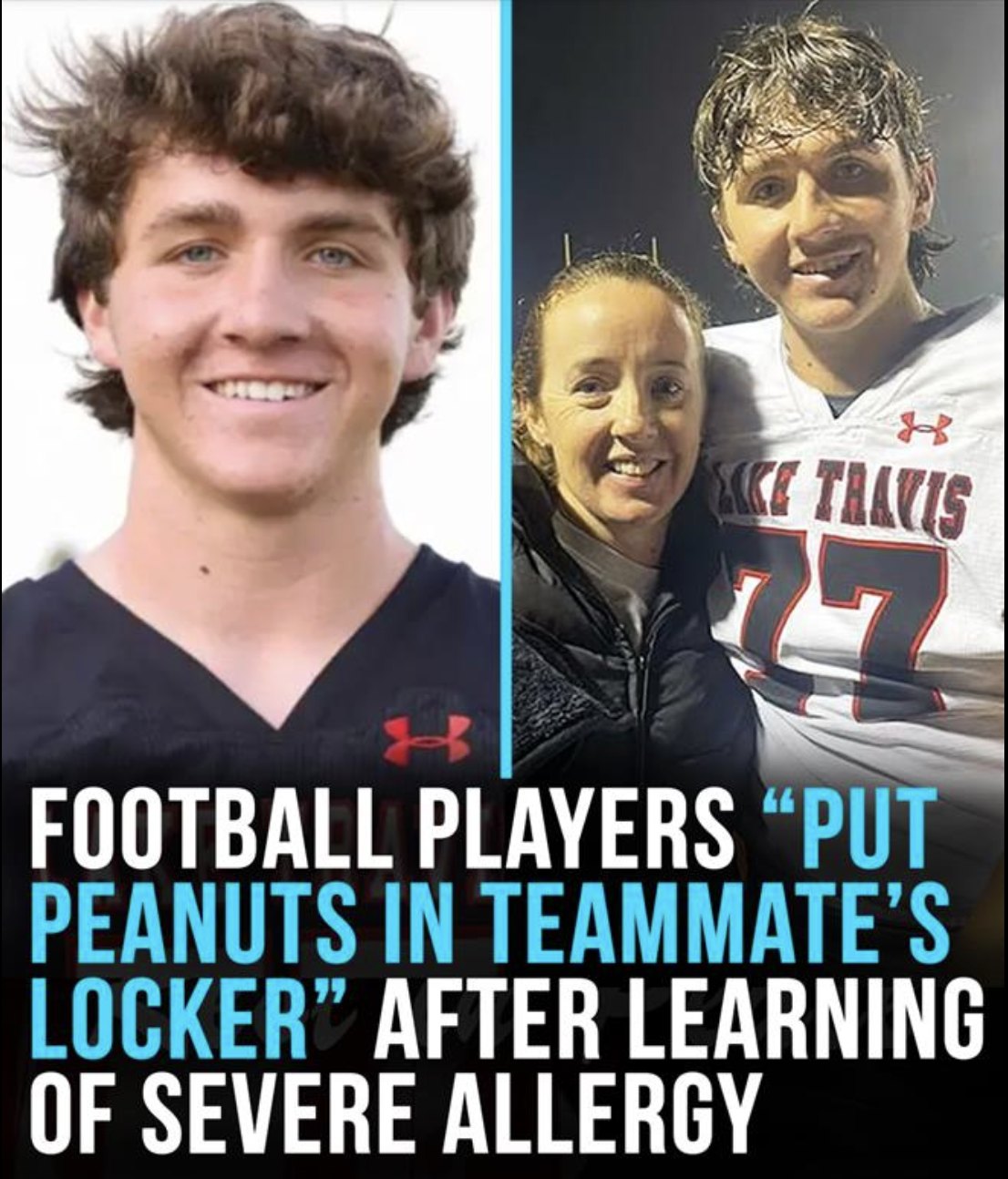
Carter Mannon grew up managing a reality that required constant awareness: a common food could present a serious health risk. Diagnosed with a severe peanut allergy as an infant, he learned early how to stay safe, recognize potential exposure, and communicate his needs clearly. By high school, he was known not for his condition but for his commitment as a varsity football player, earning respect from teammates and coaches. Even so, the risk remained present in everyday settings like locker rooms, cafeterias, and practice areas.
A serious incident occurred after some teammates asked about the severity of his allergy and then made a harmful decision. Peanuts were reportedly placed in his locker, on his uniform, and inside his cleats, creating direct exposure. He quickly developed hives, a clear sign of an allergic reaction that required immediate attention. Situations like this can escalate rapidly and highlight the importance of understanding health conditions and acting responsibly.
The response that followed led to further concern. Those involved received limited disciplinary measures, while officials determined the situation did not meet specific criteria under existing policies. However, reports indicated that the environment remained uncomfortable, and another peanut-related item was later found among his belongings. Feeling unsafe, Carter chose to leave the school, prioritizing his health and peace of mind.
This situation raises broader questions about awareness, responsibility, and how policies are applied in real-life situations. For individuals managing severe allergies, these risks are not theoretical but part of daily life. The experience highlights the importance of education, empathy, and clear accountability to ensure that safety is consistently respected in all environments.