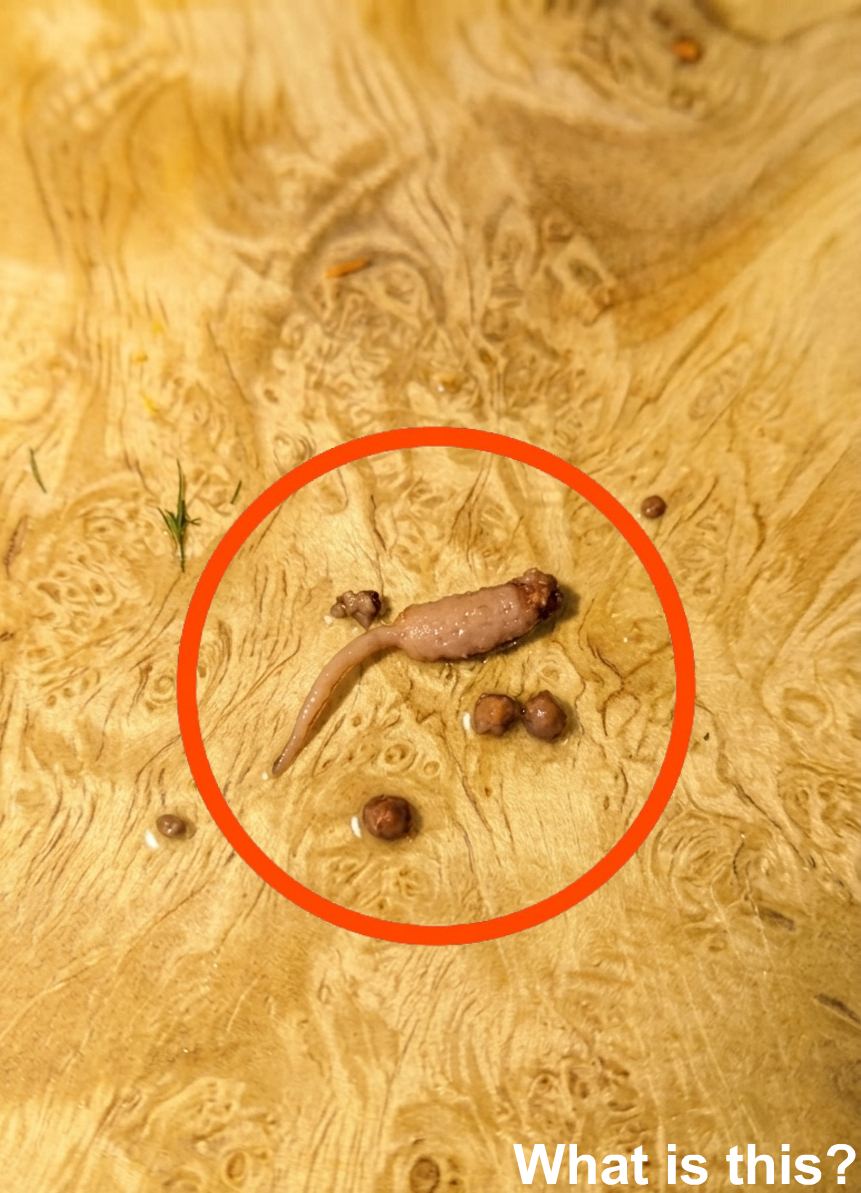
It is common to feel concerned when food appears unusual in shape, color, or texture. An unexpected appearance can quickly draw attention and lead to concern, especially before the food has been closely examined. However, in many cases, what seems strange at first can often be explained by natural changes that occur during cooking and preparation.
With closer observation, these differences often become easier to understand. In the case of ground beef, for example, the product is not uniform. It is made up of a combination of muscle fibers, fat, and connective tissue, all of which are natural components of the meat. During processing and cooking, these elements respond differently to heat, which can create variations in appearance.
When heat is applied, fat can melt and separate while connective tissue tightens and contracts. This process may lead to irregular shapes, stringy textures, or uneven surfaces. Although these changes can sometimes look unexpected, they are typically a normal result of cooking rather than an indication of any issue with the food itself.
Understanding how these natural processes work can help reduce unnecessary concern. Many visual changes in cooked meat are simply the result of heat interacting with its natural structure. While the appearance may not always be uniform or visually appealing, it generally reflects the normal composition of the ingredients and the way they respond during cooking.