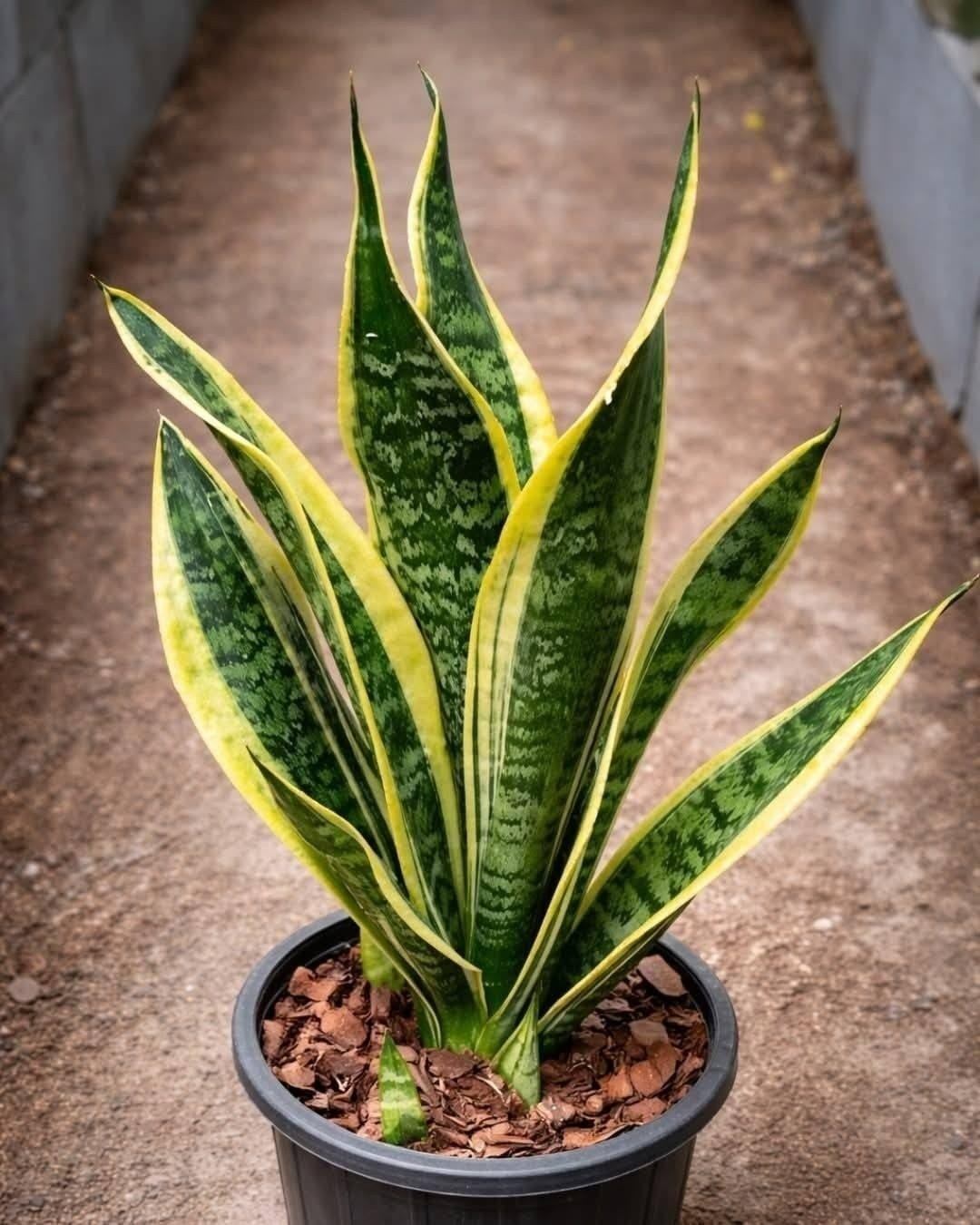
Many popular online posts suggest that certain houseplants can completely transform a person’s life by bringing luck, wealth, health, or positive energy into the home. These types of claims often gain attention because they offer simple and comforting ideas during uncertain times. A small plant placed on a windowsill can easily become associated with relaxation, balance, and a more welcoming living environment.
While indoor plants can provide several positive benefits, most dramatic claims about life-changing results are not supported by scientific evidence. However, research does show that plants may help create a calmer atmosphere, improve mood, and encourage a stronger connection to nature within indoor spaces. Caring for plants can also support healthy routines and provide a relaxing daily activity for many people.
Popular houseplants such as Snake Plant, money plants, and lavender are often appreciated for their appearance, ease of care, and ability to brighten a room. For many individuals, maintaining indoor greenery becomes part of a peaceful lifestyle that encourages mindfulness and reduces stress. Simple habits like watering plants, organizing living spaces, and spending time around natural elements can positively influence everyday comfort and well-being.
Ultimately, the value of houseplants comes more from their practical and emotional benefits than from extraordinary promises. They may not instantly change someone’s future, but they can contribute to a more relaxing, pleasant, and enjoyable home environment. In that way, plants quietly support healthier habits, peaceful surroundings, and moments of calm within daily life.