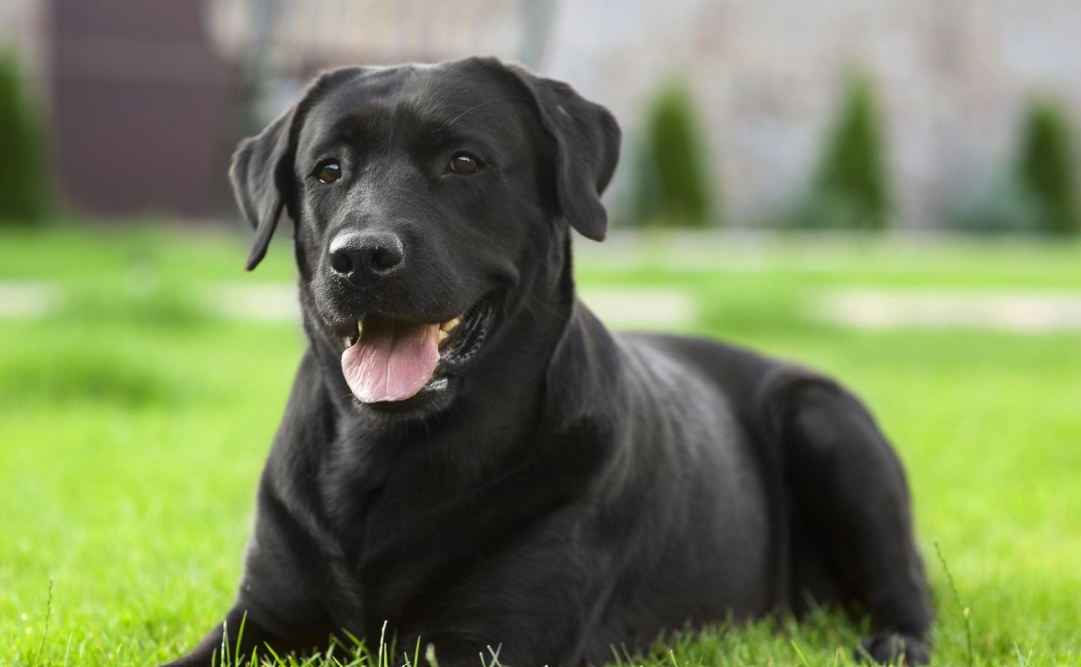
Dogs experience the world very differently from humans, relying primarily on their sense of smell to gather information about their surroundings. Their ability to detect and interpret scents is remarkably advanced, allowing them to learn details about people, animals, and environments that humans cannot easily perceive. For pet owners, this can help explain behaviors that may seem unusual at first, including a dog’s tendency to closely sniff people during greetings.
Although this behavior may feel awkward in some situations, it is completely natural for dogs. Scent serves as one of their primary forms of communication, much like humans depend on speech, facial expressions, and body language. The human body naturally produces a variety of scent markers, and dogs can detect subtle differences that help them identify individuals and gather information about their surroundings.
From a dog’s perspective, sniffing is a normal and practical way to become familiar with a person. It helps them recognize who someone is, determine whether they have encountered them before, and better understand the environment around them. Because dogs cannot communicate through language, they rely on instinct and sensory information to navigate social interactions with both people and other animals.
If this behavior becomes uncomfortable in certain social settings, it can often be managed through consistent training and positive reinforcement. Teaching commands such as “sit,” “stay,” or “leave it” can help redirect a dog’s attention and encourage more controlled greetings. With patience and regular practice, dogs can learn alternative behaviors while still satisfying their natural curiosity, helping strengthen the bond between pets and their owners.