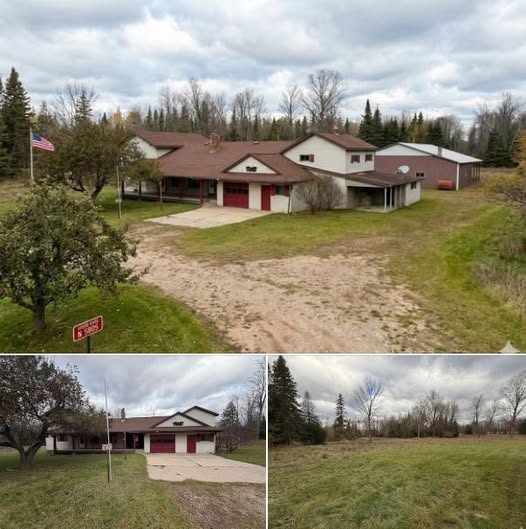
In a time when many buyers are searching for more space, privacy, and a stronger connection to nature, large-acreage properties continue to attract significant interest. Offering approximately 31.2 acres and conveniently located within driving distance of both Escanaba and Iron Mountain, this property combines natural beauty, functional amenities, and a spacious home in a setting that supports a variety of lifestyles. Whether used as a year-round residence, vacation retreat, hobby farm, or long-term investment, it provides the flexibility and room that many buyers are looking for.
One of the property’s most appealing features is the land itself. With more than 31 acres that include wooded areas, open clearings, and a private pond, the setting offers privacy, recreation, and opportunities for future use. The pond serves as a scenic focal point throughout the seasons, while the surrounding acreage provides space for outdoor activities, wildlife observation, gardening, and enjoying the natural environment. Positioned at the end of a quiet road, the property offers a peaceful atmosphere while remaining accessible to nearby communities and services.
The home, built in 1984, offers more than 2,000 square feet of above-ground living space and over 3,200 square feet in total. Inside, buyers will find four bedrooms and five bathrooms, along with features designed for comfortable daily living. Two bedrooms, including the primary bedroom, are located on the main floor for added convenience. The home also includes a living room with a wood-burning fireplace, an eat-in kitchen, a separate dining room, flexible upstairs living areas, and a bonus room above the attached garage with its own bathroom, creating numerous possibilities for guests, hobbies, or workspace needs.
Additional features further enhance the property’s versatility and appeal. An unfinished basement offers expansion potential, while multiple heating options—including forced air, propane, and wood heat—provide flexibility throughout the year. Outside, the attached garage, pole barn, and lean-to offer valuable storage and utility space for equipment, recreational vehicles, and projects. With zoning that supports both residential and resource-related uses, combined with its acreage, privacy, and natural surroundings, this property presents a unique opportunity for buyers seeking space, flexibility, and long-term potential.