For many families, vintage wooden nut bowls and traditional nutcrackers are more than decorative kitchen items. They reflect a time when preparing food was a shared activity that brought people
together. Whether displayed on a table during holidays or used for everyday snacks, these handcrafted pieces combined function with timeless design.
Their lasting popularity shows how simple household tools can become meaningful reminders of family traditions and everyday moments.
Many classic wooden nut bowls, often crafted from hardwoods such as walnut or maple, were designed with convenience in mind. Some featured a built-in metal nutcracker attached to the rim or base,
making it easier to crack shells without damaging the edible portion inside. The sturdy wooden bowl helped collect both shells and nuts, keeping the process organized while adding a warm, rustic appearance to the table.
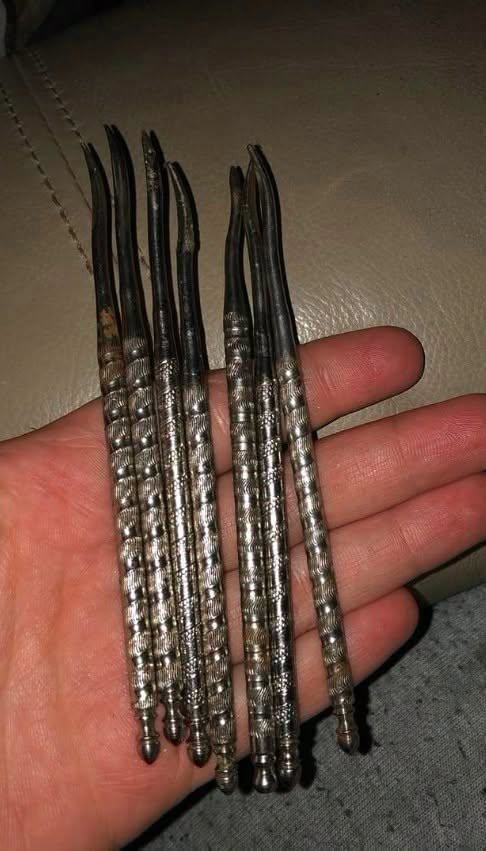
The small pointed utensils included with many vintage nut sets are commonly known as nut picks or nut forks. Their purpose is simple but effective: they help remove pieces of nut from shells that are difficult
to reach by hand. Walnuts, pecans, hazelnuts, and chestnuts often benefit from these tools. Similar picks have also been used for certain seafood dishes, making them versatile additions to the kitchen rather than single-purpose utensils.
Using traditional kitchen tools can also encourage slower, more mindful eating habits. Cracking nuts by hand takes a little extra time, turning a quick snack into a more intentional activity. For many people, this
process becomes part of the enjoyment, especially during family gatherings, holiday celebrations, or quiet evenings at home.
Preparing food in this way can create opportunities for conversation and shared experiences that are sometimes lost in today’s fast-paced routines.
Nuts themselves are widely recognized as part of a balanced eating pattern. Varieties such as walnuts, almonds, pistachios, and pecans provide healthy unsaturated fats,
plant protein, fiber, vitamins, and minerals. When enjoyed in appropriate portions, they can be a satisfying snack that fits into many healthy lifestyles.
Pairing nuts with fresh fruit, yogurt, or whole-grain foods can add variety and flavor while supporting overall nutritional balance.
Vintage nut bowls also make attractive serving pieces for modern entertaining. They can be filled with mixed nuts, dried fruit, seeds, or other wholesome snacks,
adding both practicality and character to a table setting. Their natural wood grain and handcrafted appearance
complement many decorating styles, from farmhouse and rustic interiors to contemporary homes that appreciate timeless craftsmanship.
Collectors continue to value these pieces because each one reflects skilled woodworking and thoughtful design. Many older bowls were built to last for decades,
and with proper care they often remain fully functional today. Passing them from one generation to the next allows families to preserve memories while continuing traditions that have stood the test of time.
Although kitchens have changed significantly over the years, the appeal of these vintage tools remains strong. They represent craftsmanship, durability, and the pleasure of preparing food with simple, well-
made utensils. Whether used regularly or displayed as cherished heirlooms, wooden nut bowls, classic nutcrackers,
and traditional nut picks continue to celebrate the value of slowing down, enjoying wholesome foods, and appreciating everyday traditions that connect the past with the present.